Unlike other dental treatments, implants rely on the body’s natural ability to heal and integrate with the bone. Every stage plays a role in the long-term success of your treatment.
Healing can vary from patient to patient depending on bone quality and whether or not a tooth extraction is involved. If you wonder about dental implant healing stages with or without tooth extraction and what to expect during the journey, learn about them in this post.
Read Also: Can You Really Get Same Day Dental Implants?
Dental Implant Healing Stages With Tooth Extraction
When your dental implant treatment begins with a tooth extraction, the healing stages have more steps, and timing greatly matters. Below are stages, plus clinical evidence about what often happens in practice.
1. Post-Extraction Recovery
It takes between 1 and 7 days for your gums to recover right after extraction. At this stage, it’s normal to have swelling, some bleeding, and early formation of clotting in the socket. As the gums begin initial closure, you’ll likely experience slight discomfort and pain.
However, pain and discomfort can be managed with medication. Usually, the dentist will advise you to avoid disturbing the site, such as no rinsing, spitting, hot food/liquid, for the first 24 hours.
2. Socket Healing
The socket will start to heal as well. Over this period, the gum tissue (soft tissue) gradually covers the extraction site. Underneath, bone begins to form (“woven bone”) and socket walls start stabilising. Usually this process will take 1-4 weeks.
If implant placement is delayed or if you are not in a hurry, the typical waiting period is about 6-12 weeks for bone and gum to heal sufficiently. This gives better soft tissue contour and often better bone shape for implant placement.
3. Post-Implant Placement and Osseointegration (3-6 Months)
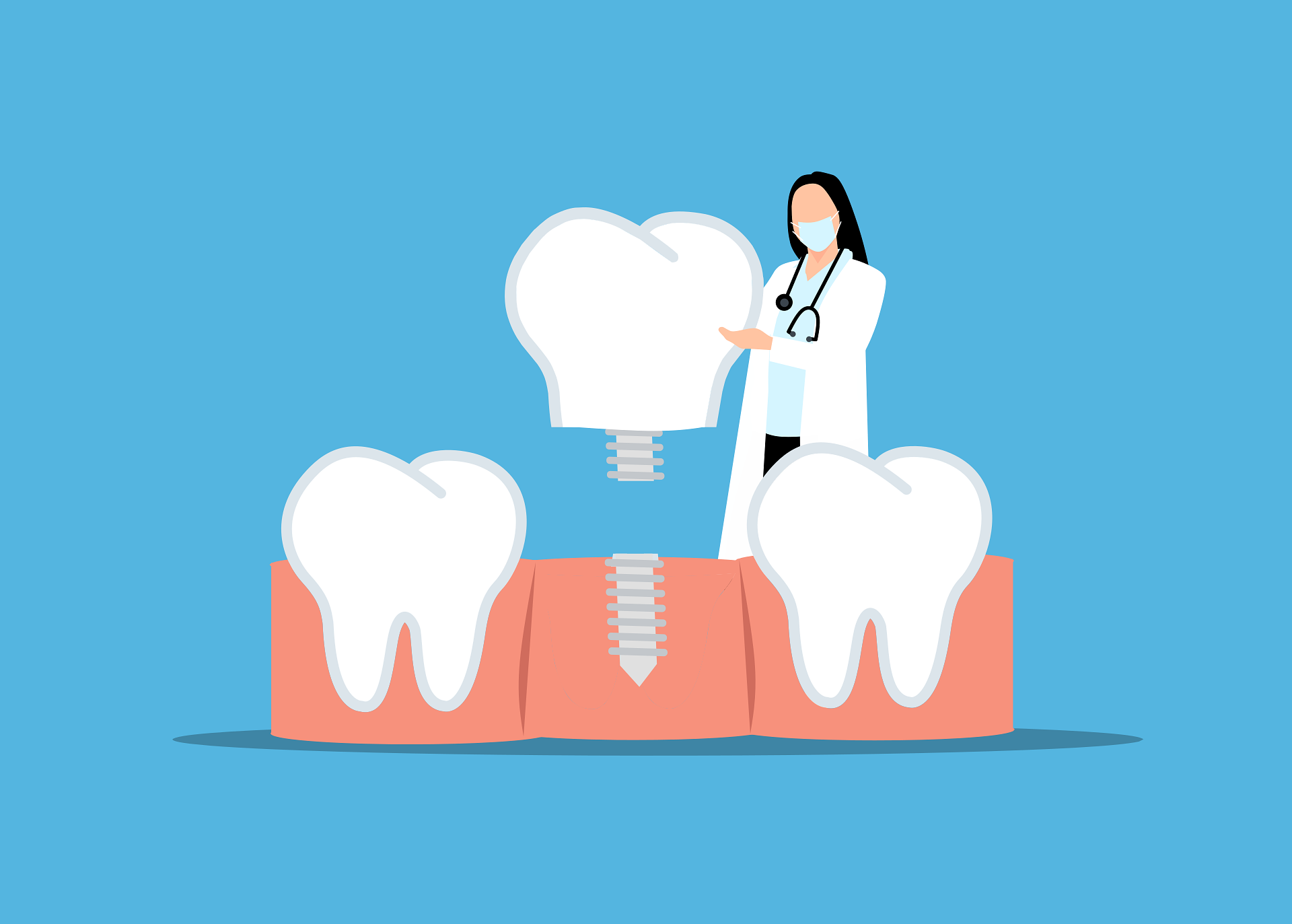
After placement, your implant needs time to naturally fuse with the jawbone in a process called osseointegration. This is the silent but most critical stage. Underneath the surface, your jawbone is growing and fusing tightly with the titanium implant.
While you won’t feel this happening, it’s the foundation of a strong and lasting restoration. Some patients may wear a temporary crown during this time to maintain their smile.
A study called “Optimizing Implant Placement Timing and Loading Protocols for Successful Functional and Esthetic Outcomes: A Narrative Literature Review” showed that regardless of whether the implant is placed immediately after extraction, early (a few weeks after), or delayed, the implant survival rates tend to be high. It goes typically 87.5%–100%, depending on patient conditions, implant site, and technique.
While for implants placed immediately after extraction (i.e. no delay), survival rates over several years are about 96% in certain studies.
For example, 25 implants placed immediately after extraction in a posterior tooth region had 96% survival over average 57 months (~almost 5 years) according to a journal published by BMC Oral Health.
However, these high rates assume good health, sufficient bone and soft tissue, and proper surgical technique.
4. Abutment Placement
Once the implant is fully integrated, usually after three to six months, a healing abutment is placed. This small component helps shape the gum tissue and prepare it for the final crown. The gums adapt within one to two weeks.
Minor discomfort returns briefly but fades within days, and after this short recovery, your permanent restoration is ready to be attached.
5. Final Crown Placement
The last stage is fitting the permanent crown. By now, the bone is strong and stable enough to hold your restoration securely. The full restoration restores chewing, aesthetics, and function.
Total Healing Time
In many “with extraction” cases, the total time for all the dental implant healing stages is about 5-9 months, depending on whether you need a waiting period between extraction and implant placement, and your body’s unique healing process.
According to a study published by The International Journal of Oral & Maxillofacial Implants, implant loss rates for immediate implants vary but often remain below ~5% if done properly.
Dental Implant Without Tooth Extraction
When the tooth has already been removed and the site is healed, the implant process is usually more straightforward. Still, your body needs time to adapt at every step of the healing journey.
1. Initial Recovery (1–7 Days)
The first week after surgery is when most patients notice mild swelling, tenderness, or a little bleeding. These symptoms are the signs that your mouth is recovering, This stage is temporary and usually well-managed with medication prescribed by the dentist.
In fact, the discomfort after implant placement is typically mild to moderate and improves quickly, often within just a few days until 7 days. Most people are even able to return to daily routines within 24–48 hours.
2. Early Healing (1–2 Weeks)
By the second week, the gums begin to close neatly around the implant, You are going through a healing phase at this time. If stitches are used, they will either dissolve naturally or be removed during a short follow-up visit. At this stage, the surgical area already looks much better, and discomfort is usually gone.
Patients often report that they feel almost back to normal by this time.
3. Osseointegration Phase (3–6 Months)
Osseointegration, the phase when jawbone fuses with the implant, also happens after implant surgery without tooth extraction. While you won’t feel this happening, this stage is crucial to create a solid and permanent foundation for the crown long-term durability.
Research shows that when osseointegration is successful, dental implants maintain survival rates of 86-92% after 10 years, proving their strength and reliability. For visible teeth, a temporary crown may be provided so you can maintain your smile during this time.
4. Abutment Placement (1–2 Weeks)
Once the implant is firmly integrated, your dentist will attach a healing abutment. This small connector allows the gums to shape naturally around the implant, creating the right contour for your final crown. Some patients may feel slight tenderness for a day or two, but recovery at this stage is quick and easy.
5. Final Restoration
The last step is fitting the permanent crown, bridge, or denture. With today’s advanced digital dentistry, crowns are designed to blend seamlessly with your natural teeth in both color and function. Once this stage is complete, the implant feels and functions like a real tooth.
Total Healing Time
In cases without extraction, the full process of dental implant healing stages typically takes 3-6 months. It depends on factors such as bone density, implant location, and your body’s natural healing speed.
A long-term study published by Willey Online Library confirmed that implants in healed sites often achieve slightly higher stability compared to those placed immediately after extraction, with success rates consistently above 95%.
Tips for Faster Healing
Although dental implant healing is a gradual process, there are proven ways to help your body recover more smoothly and set the stage for long-term success. Following these simple but powerful habits can make a noticeable difference.
1. Follow Your Dentist’s Instructions Carefully.
Your dentist will provide specific post-operative guidelines, such as how to clean the area, when to take medication, and what to avoid during the first few days. Research published in the Journal of Clinical Medicine (JCM) emphasizes that patients who adhere closely to professional advice experience fewer complications and faster soft tissue healing.
2. Avoid Smoking and Alcohol
Smoking, in particular, is strongly linked to higher implant failure rates. Various analysis found that smokers have up to 2.5 times greater risk of implant failure compared to non-smokers.
Alcohol can also slow blood clotting and delay healing, so avoiding both is highly recommended during recovery.
3. Maintain Excellent Oral Hygiene
Keeping the implant site clean reduces the risk of infection, which is one of the main causes of implant failure. Gentle brushing around the area, combined with recommended careful rinses with salt water, ensures that harmful bacteria don’t interfere with the healing process.
4. Eat Soft, Nutrient-Rich Foods and Stay Hydrated
In the first week, stick to soft foods like yogurt, soups, mashed vegetables, or smoothies. These foods minimize stress on the implant while providing essential vitamins and minerals.
Meanwhile, hydration is equally important because water helps flush away bacteria and supports tissue repair. Adequate nutrition and hydration can improve wound healing and bone regeneration, including after dental surgery.
By protecting your implant site and supporting your body with good habits, you give the implant the best chance to bond successfully with your jawbone and last for decades.
Read Also: Best Place for Dental Implants in Bali
Ready to Begin Your Dental Implant Journey with BIA?
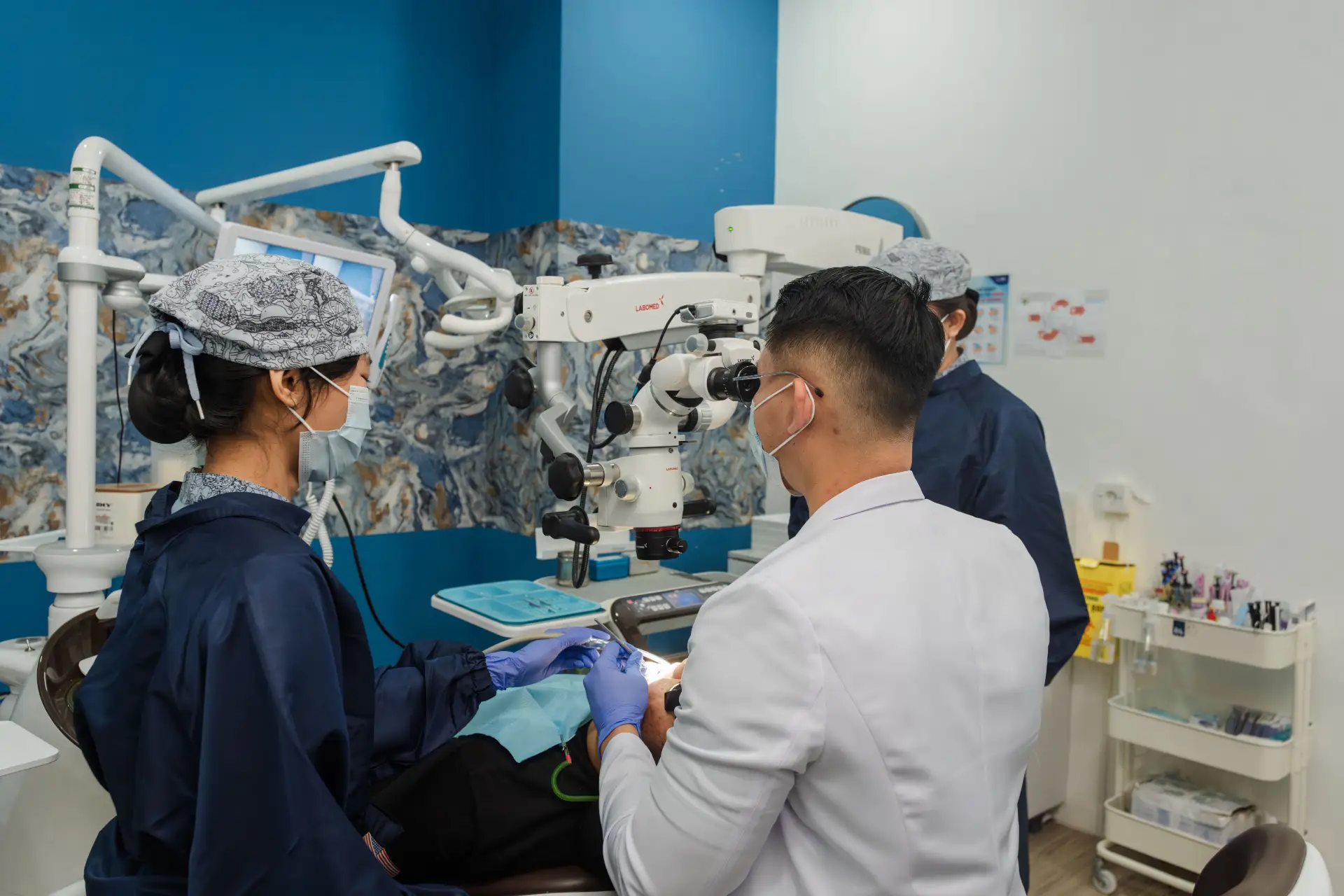
With advanced techniques and pain-free procedures, our experienced team ensures every step of your implant journey is smooth. If you’re considering dental implants, book a consultation with BIA Dental Center today through WhatsApp. Let BIA help you restore your confidence and enjoy a lifetime of healthy smiles.