Braces
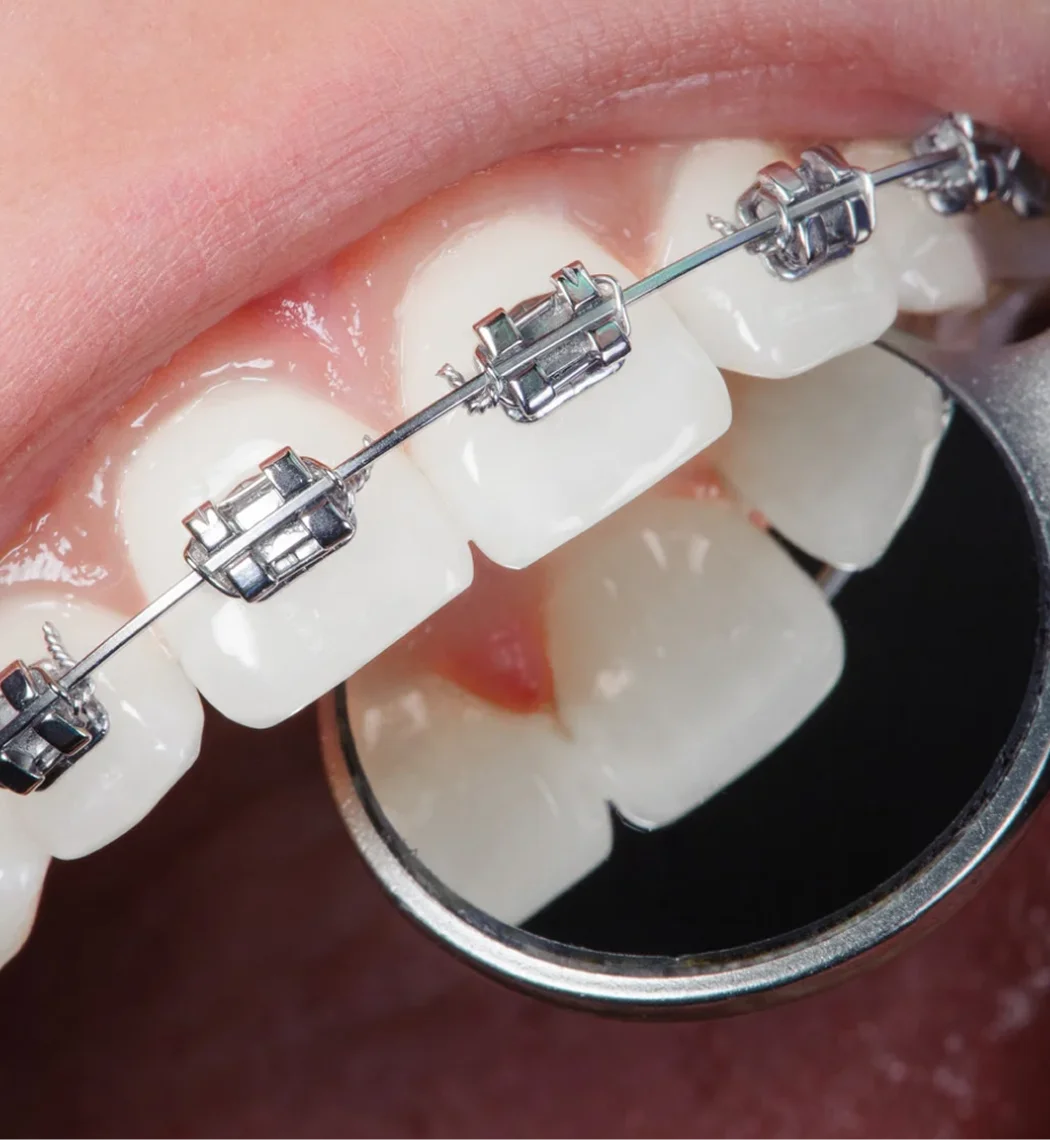
Braces are orthodontic devices used to straighten teeth, correct bite issues, and align the jaw properly. They work by applying continuous, gentle pressure to gradually move teeth into the right position. Braces are commonly used to treat crowded, crooked, or gapped teeth, helping patients achieve a healthier bite and a more confident smile.
At BIA Dental Center, we offer several types of braces to suit your needs:
- Metal Braces: Traditional and effective option for all types of orthodontic cases.
- Sapphire Braces: Made of clear, crystal-like material for a more aesthetic look.
- Self-Ligating/Damon Braces: Require no elastic ties, making them more comfortable and easier to clean.
Who Need This Treatment

Individuals with crooked, crowded, or misaligned teeth

Patients with bite issues such as overbite, underbite, crossbite, or open bite

Children, teens, or adults who want to improve jaw alignment and facial symmetry
Those with spacing issues (too much space or gaps between teeth)

Anyone seeking long-term functional and aesthetic improvement in their smile and bite
Suitable for both cosmetic reasons and medical/dental health purposes
Aftercare &
Maintenance
After braces installation
- Follow the orthodontist's instructions and advice.
- Maintain oral hygiene.
- Things to avoid when using ortho braces:
- Biting hard objects such as pencils, candy, etc.
- Eating nuts & popcorn
- Chewing ice cubes, gum, chips, etc.
- Visit the dentist regularly.
- If any of your braces are moving or broken, please keep and bring it on your scheduled appointment, or ask for an emergency appointment if it’s really uncomfortable.
After braces release
- Use a retainer. Here are several types of retainer:
- Clear Retainer: Thinner, more comfortable to wear, does not affect speech, and is almost invisible due to its clear color.
- Lingual Retainer (Bonded): Installed on the backside of teeth that are prone to shifting back, or for patients who find it difficult to follow instructions for using removable retainers, for example, a child.
- Retainer Plat Acrylic: The wire can be adapted to the condition of the teeth, is durable during use, can be repaired if damaged, and is quite comfortable to use.
- Usage instructions for Clear Retainer and Acrylic Plate Retainer:
- 24 hours usage for about 3 months.
- Remove the retainer when eating and when swimming.
- Initially, you will find it difficult to speak, but in some time you will get used to it.
- Always take your retainer with you when visiting the dentist.
- The length of retainer use depends on how severe the case is.
- After 3 months, the retainer can be worn at night only.
How to maintain the retainer
- Clean the retainer thoroughly using a toothbrush and toothpaste under running water.
- If the retainer is damaged, lost, or uncomfortable to wear, call your orthodontist.
- Keep the retainer away from hot temperatures.
- Always keep the retainer in a clean container.
Treatment Time Frame

1st Visit
- Consultation
- Rontgen (if it necessary)
- Dental photography
- Treatment planning

2nd Visit
- Bracket installation
- Instruction & education
Depending on the type of braces, patients will need to visit the orthodontist regularly for adjustments:
Metal Braces : 1x every 3-4 weeks
Sapphire Braces : 1x every 3-4 weeks
Self-Ligating/Damon Braces : 1x every 8-10 weeks