When considering dental implants, it’s important to understand that this is not a quick treatment. So the most common question is, how long does a dental implant procedure take? The answer is not simple, because while the surgery itself may take only an hour, the entire process can span several months.
Why is the question quite important? Because knowing the timeline helps set the right expectations before beginning your journey to a confident smile.
Read Also: Painless Dental Implants Bali
Breakdown of the Dental Implant Procedure Timeline
Below is a detailed explanation of each stage, how long it typically takes, and why it matters for achieving long-lasting results.
1. Consultation and Treatment Planning
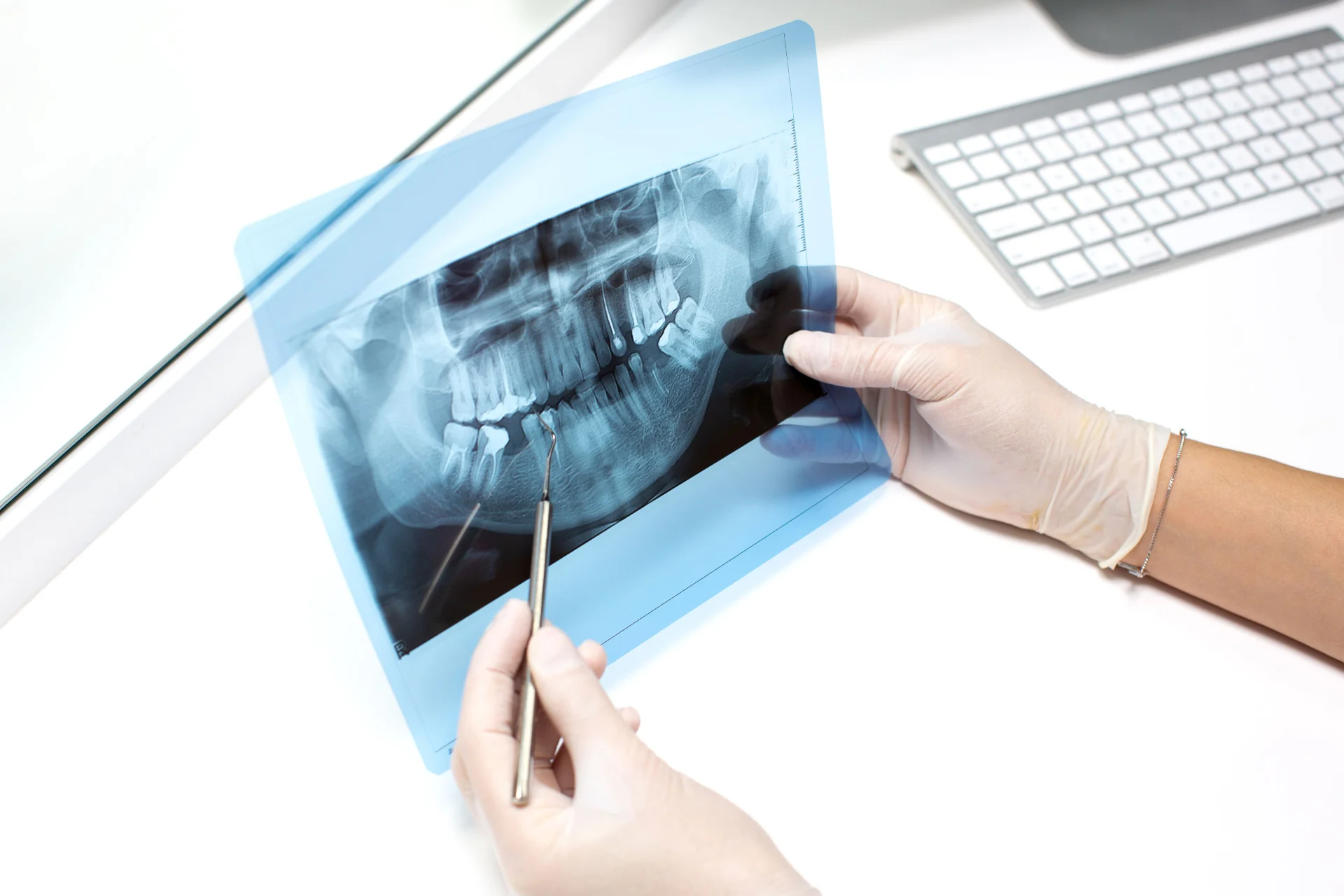
The process begins with a consultation, typically completed in one visit. During this stage, the dentist performs a comprehensive assessment of your oral health, often using 3D cone beam computed tomography (CBCT) scans to evaluate bone density and structure. This step is crucial for identifying whether bone grafting is required and for mapping the precise placement of the implant.
Premium dental clinics in Bali often incorporate digital smile design and surgical guides, allowing for higher precision and predictable results.
2. Tooth Extraction (If Needed)
If the failing tooth is still present, it must be removed before an implant can be placed. This usually requires one visit, followed by a short healing period of 1–2 weeks. In some cases, an implant can be placed immediately after extraction, but this is only possible if the bone is strong and there is no infection present.
Tooth extraction is often straightforward but may take longer if the tooth is fractured or has complex roots. After extraction, patients are advised to follow soft diets. Patients can drink water after 1–2 hours and start soft foods within 24 hours. Nevertheless, hard or crunchy foods should be avoided for several days.
Immediate implant placement can be done after extraction if the bone is strong and no infection is present. This action can shorten the treatment timeline by several months, though it requires careful case selection.
3. Bone Grafting (If Required)
For patients with insufficient bone density or volume, bone grafting becomes necessary to create a stable foundation for the implant. This step is completed in one surgical visit, but healing can take 3–4 months or more depending on the size of the graft.
According to a study published in the PubMed database on the Frequency of Bone Grafting in Implant Surgery, approximately 50.3% of patients required bone grafts, with a higher incidence observed in cases involving long-term tooth loss and existing bone deficiencies. Techniques include sinus lifts for upper molar regions and ridge augmentation for thin jawbones.
4. Implant Placement Surgery
This is the central stage of the procedure, where a titanium post is surgically inserted into the jawbone. A single implant placement typically takes 1–2 hours under local anesthesia, though sedation or general anesthesia may be used in premium clinics for comfort. The titanium implant then serves as the artificial root of your tooth.
A follow-up visit within one to two weeks is standard to monitor soft-tissue healing. In some cases, a temporary tooth can be placed on the same day, giving immediate function and aesthetics.
5. Healing Phase (Osseointegration)
This stage often surprises patients who ask, “How long does a dental implant procedure take?” since the healing process alone can last 3 to 6 months. During this time, the bone grows around the implant and integrates with the jawbone, anchoring it firmly in place.
Patients may experience mild swelling or tenderness during the first week, but discomfort usually subsides quickly. To optimize healing, doctors usually recommend avoiding smoking (which doubles the risk of implant failure), maintaining a nutrient-rich diet, and following strict oral hygiene routines.
6. Abutment Placement and Crown Fitting
Once osseointegration is confirmed, the abutment, a small connector that attaches the implant to the crown, is placed. This usually requires one short visit, though the final crown process can extend over 1–3 visits depending on the technology available.
Traditionally, impressions are taken and sent to a dental lab, requiring a 1–2 week wait. However, many high-end clinics now use CAD/CAM systems to create same-day crowns, reducing the number of appointments.
7. Aftercare Process
The final stage of the implant journey is ongoing maintenance. Even though implants cannot decay like natural teeth, they can still suffer from peri-implantitis or gum disease around the implant if not cared for properly.
Regular check-ups are recommended at 1 month, 3 months, and 6 months after placement, and then every 6–12 months. Patients who maintain good oral hygiene and professional dental visits have significantly higher implant survival rates compared to those who neglect follow-up care.
Premium clinics in Bali often offer tailored aftercare programs, including professional cleaning, digital monitoring, and remote consultations for international patients.
Factors Affecting the Timeline
When wondering how long a dental implant procedure will take, it’s important to remember that the exact length of time depends on several personal and clinical factors.
1. Overall Oral Health Condition
A patient’s existing oral health has a major influence on how quickly implants can be placed. For example, untreated gum disease or active infections must be resolved before surgery can proceed. Meanwhile, healthy gums and a clean oral environment allow for faster healing and a lower risk of complications.
2. Number of Implants Being Placed
The complexity of the case also matters. A single implant may take one to two hours and a few follow-up visits, while multiple implants require more surgical planning, longer procedures, and extended healing time.
3. Whether Bone Grafting is Needed
Perhaps the most significant factor is whether bone grafting is required. Patients with insufficient bone density will need this additional step, which can add three to six months of healing time before the implant can even be placed.
4. Healing Response of the Patient
Finally, every patient heals at a different rate. Factors such as age, general health, smoking habits, and systemic conditions like diabetes play a role in recovery. Patients with strong immune systems and healthy lifestyles often experience faster osseointegration, reducing the total treatment time.
Is It Possible to Have Dental Implants Completed in One Day?
In certain cases, implants can actually be completed in a single day. Advances in dentistry now allow for same-day implants, a faster and more innovative solution.
One of the most popular techniques is the All-on-4 dental implant, which is especially suitable for patients needing a full arch of teeth replacement. This minimizes the need for extensive bone grafting and provides patients with immediate functionality and aesthetics.
The procedure is similar to traditional implants but is planned to allow placement of temporary prosthetic teeth on the same day. Later, once healing is complete, permanent prosthetics are fitted.
However, same-day implants are not suitable for everyone. Dental specialists carefully evaluate each patient to ensure they meet specific requirements. You may qualify for same-day treatment if:
- Gums are healthy and free from infections.
- You have sufficient bone density to support the implant without extensive grafting.
- You maintain good oral hygiene habits.
- There is no untreated tooth decay present.
- You do not require other major dental work at the same time.
- You do not suffer from chronic illnesses or medical conditions that could interfere with healing, such as uncontrolled diabetes or autoimmune disorders.
Read Also: Dental Bridges vs Implant: Which One is Right for You?
Why Choose BIA Dental Center for Your Dental Implants?
Thus, how long does a dental implant procedure take? The answer depends on your oral health, treatment plan, and whether you qualify for innovative same-day implants. But no matter your situation, choosing the right dental clinic makes all the difference.
This is where BIA Dental Center in Bali stands out. At BIA Dental Center, treatments are pain-free due to BIA Anesthesia, a breakthrough for patients with dental anxiety.
BIA Dental Center also offers same-day dental implants and complete in-house facilities, so you won’t need external referrals or extra prescriptions. Everything is handled under one roof for your convenience.
Ready to transform your smile? Contact BIA Dental Center today and book your appointment easily via WhatsApp.