Fear of dental visits can feel overwhelming, especially for those with Dentophobia. This article looks at what it really means, how it affects everyday health, and the ways dental professionals create safe, calming spaces for patients.
Read Also: Dental Implant Surgery: Procedure, Benefits and Recovery
What is Dentophobia?
Dentophobia, or sometimes also referred to as dental phobia or odontophobia, is more than just a dislike of the dentist’s chair. It’s a recognized psychological condition marked by an overwhelming and often irrational fear of dental treatment.
What makes dental phobia different from everyday dental anxiety is its intensity. Feeling a bit uneasy before a doctor’s appointment is fairly common, but this phobia triggers such a powerful fear response that some people avoid dental visits altogether.
This avoidance can create a troubling cycle: skipped checkups lead to worsening oral health, which in turn fuels even greater dread about seeking care. In fact, psychiatric manuals like the DSM-5 classify it as a specific phobia, since the level of fear goes far beyond the real risks of dental care problems.
How Common is Dentophobia?
This phobia isn’t just a rare quirk; rather, it’s one of the most frequently reported phobias in healthcare. However, the exact numbers depend on how researchers define and measure it. Some studies draw the line between mild dental anxiety and full-blown phobia, while others group them altogether.
Here’s what research tells us:
- Adults worldwide: Severe odontophobia shows up in about 2–16% of the general adult population, but if you include moderate anxiety, the numbers climb even higher.
- High-income countries: Roughly 10–12% of adults report strong dental fear, with around 3–5% meeting the criteria for clinical phobia.
- Children and teens: Between 6–20% experience significant fear of dental care, with the highest rates seen around ages 7 to 9.
- Gender differences: Women consistently report higher levels of dental fear than men. A pattern that may reflect both biological sensitivity and cultural expectations.
- Regional variations: Surveys from Scandinavia and the UK reveal higher rates (up to 15% reporting severe fear) compared to some Asian and Middle Eastern populations, where cultural attitudes and oral health practices may play a role.
What Does a Person with Dentophobia Fear?
Dental phobia often stems from specific triggers that feel overwhelming in a dental setting. These fears can make even simple treatments seem impossible, and understanding them is the first step toward finding comfort and solutions.
- Fear the anesthetics not working – Worrying the numbing won’t take effect during a procedure.
- Needles – Anxiety triggered by injections used in dental treatments.
- Blood – Discomfort or fear at the sight of blood during procedures.
- Pain – Concern that dental work will cause significant suffering.
- Choking – Fear of gagging or struggling to breathe while being treated.
What are the Causes of Dentophobia?
Why is dental fear so common? In most cases, dental anxiety, or even phobia, grows out of a mix of past experiences, sensory associations, and personal vulnerabilities. Understanding these root causes helps explain why the fear feels so overwhelming and why it can be so difficult to overcome.
1. Post-Traumatic Experiences
For many, it traces back to a painful or distressing encounter at the dentist. This could be an invasive procedure with poor pain control, or simply the helplessness of lying in the chair while something uncomfortable unfolds. Even a single negative experience (whether in childhood or adulthood) can leave a lasting mark, reinforcing fear.
2. Sensory Triggers
Many aspects of the dental environment can become sensory cues that easily spark anxiety. The high-pitched whir of a drill, the sharp scent of antiseptic, glaring overhead lights, or the unfamiliar touch of instruments in the mouth can all act as triggers. These sensations often revive memories of discomfort or fuel the anticipation of pain.
3. Loss of Control
Sitting in a dental chair can make patients feel vulnerable, as if they’ve surrendered control of their own body. Not being able to see or anticipate the next step of a procedure can heighten feelings of panic or helplessness. For people already uneasy in medical settings, this lack of control can make the experience even more daunting.
4. Embarrassment
Shame can be just as powerful as pain in feeding dental fear. Some patients avoid appointments because they worry their dentist will criticize or judge them for the condition of their teeth. This fear of social evaluation can compound the overall self-anxiety and lead to even longer gaps in care.
5. Family Influence
Fear can also run in families, not only through genetics but through example. Children who grow up watching parents or siblings express dread about dental visits may absorb that fear themselves. Whether learned through observation or inherited predisposition, the cycle of dentophobia can be passed down across generations.
Signs and Symptoms of Dentophobia
Dentophobia lives beyond just your mind; it also reveals itself through the body, emotions, and daily habits. Recognizing these signs is an important step in understanding the full impact of the phobia, since they can range from subtle discomfort to life-disrupting patterns of avoidance.
1. Physical Symptoms
When dentophobia kicks in, the body often reacts as though it’s under immediate threat. The autonomic nervous system launches the classic “fight-or-flight” response at the sight of the dental chair, the buzz of a drill, or even the thought of an appointment. Common reactions include:
- Sweating and clamminess: Palms and forehead often become damp due to heightened stress.
- Racing heartbeat (tachycardia): The body primes itself to escape perceived danger.
- Shortness of breath or hyperventilation: Anxiety disrupts normal breathing, sometimes leading to dizziness.
- Nausea or stomach upset: The gut is especially sensitive to anxiety, often producing discomfort.
- Shaking or trembling: Muscles tense and adrenaline surges, causing visible tremors.
- Dry mouth (xerostomia): Stress reduces saliva flow, ironically worsening oral discomfort.
- Dizziness or fainting (vasovagal syncope): Particularly common in those with needle or blood-related fears.
2. Emotional Responses
Beyond physical reactions, odontophobia also strikes at an emotional level, fueling intense and disruptive psychological distress. Individuals may experience:
- Intense fear or dread: Persistent worry both before and during dental situations.
- Panic attacks: Sudden surges of terror with rapid heartbeat, sweating, and loss of control.
- Crying, irritability, or agitation: Especially seen in children, but also in anxious adults.
- Helplessness and loss of control: Feeling vulnerable when reclined in the chair and unable to communicate freely.
- Anticipatory anxiety: Worry sets in days or weeks before an appointment, disrupting sleep or concentration.
- Shame and embarrassment: Fear of being judged for oral health, which deepens avoidance.
3. Behavioral Patterns
Perhaps the most visible signs of dentophobia are the choices people make to avoid dental care altogether. These behaviors can trap patients in a self-reinforcing cycle of neglect and worsening oral health:
- Avoiding appointments: Canceling, postponing, or outright refusing treatment, even when urgent.
- Irregular or nonexistent attendance: Visiting only when pain or infection forces it.
- Neglected oral hygiene: Fear extends into rushed brushing, inconsistent flossing, or outright avoidance.
- Somatic excuses: Claiming illness, busyness, or other barriers to justify not going.
- Over-reliance on self-treatment: Using painkillers or home remedies in place of professional care.
- “Dental shopping”: Constantly switching providers, seeking reassurance without committing.
- Regression in children: Behaviors like thumb sucking, clinging, or tantrums when facing visits.
In summary, dentophobia shows up through physical stress responses, intense emotional turmoil, and patterns of avoidance. These elements reinforce one another, creating a cycle that not only blocks access to dental care but also gradually harms both oral and mental well-being.
How to Overcome Dentophobia?
Breaking free from dental phobia isn’t an overnight process. It takes patience, the right strategies, and often a bit of outside support. The good news is that there are proven ways to make dental visits less intimidating and to gradually rebuild trust in the dental chair.
1. Acknowledge the Fear
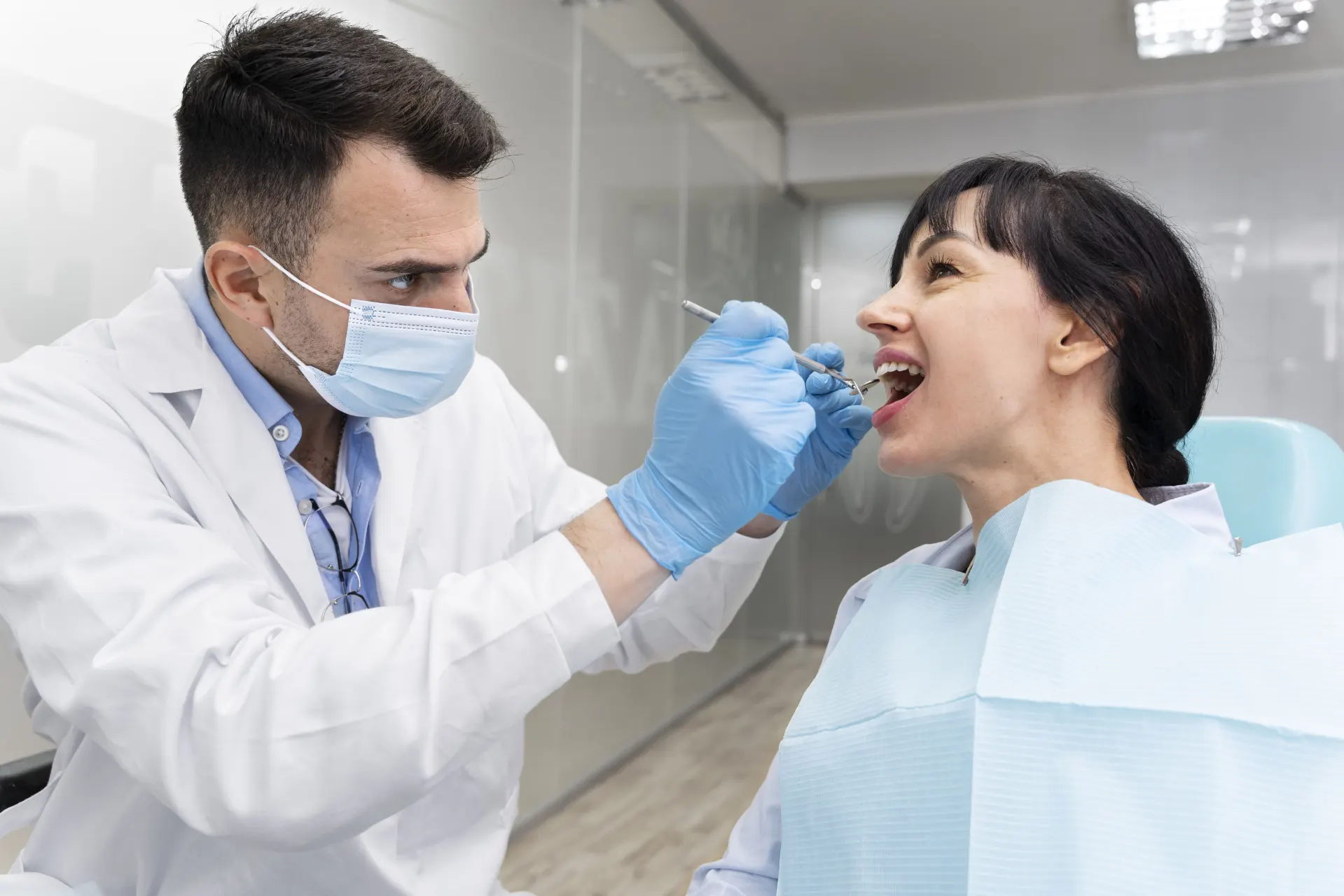
The first and most powerful step is simply admitting the fear exists. Speaking openly with a dentist about anxieties can transform the experience. A supportive dentist can adjust the pace, explain procedures, and create an atmosphere where patients feel heard rather than judged.
2. Breathing and Relaxation Techniques
Simple relaxation methods can go a long way in calming nerves. Practices like slow diaphragmatic breathing or the 4-7-8 method help steady the heartbeat, ease tension, and give patients a greater sense of control while in the chair.
3. Bring a Friend or Support Person
Having a trusted companion nearby can provide reassurance and ease feelings of isolation. Whether it’s holding a hand in the waiting room or simply being present, the support of a friend or family member makes the experience less daunting.
4. Cognitive Behavioral Therapy (CBT)
For more severe cases, therapy can be transformative. CBT helps patients recognize and reshape the negative thought patterns that fuel fear. Gradual exposure to dental situations, combined with coping strategies, has been shown to deliver long-lasting relief from dental anxiety.
5. Choose the Right Dentist
Not all dental professionals approach care the same way. Finding one who specializes in working with anxious patients can make all the difference. These dentists often use gentle communication, calming environments, distraction methods, or sedation options to ease fear and build confidence.
Why BIA Dental Center Is the Best Choice for Patients with Dentophobia
For people struggling with dentophobia, the right clinic can completely change how dental care feels. BIA Dental Center has built its approach around comfort, trust, and patient-centered care, making it an excellent choice for those who usually avoid the dentist.
1. Advanced Anesthesia for Painless Treatment
Many patient reviews highlight how gentle and painless treatments feel at BIA. Our clinic prioritizes effective anesthesia and careful pain control, which is crucial for easing fear during procedures.
2. Comprehensive & Experienced Dentists
BIA’s dentists are praised not only for skill but also for their attentive communication. Patients often mention how procedures are explained step by step, which reduces uncertainty and makes them feel supported rather than rushed.
3. Calming Clinic Environment
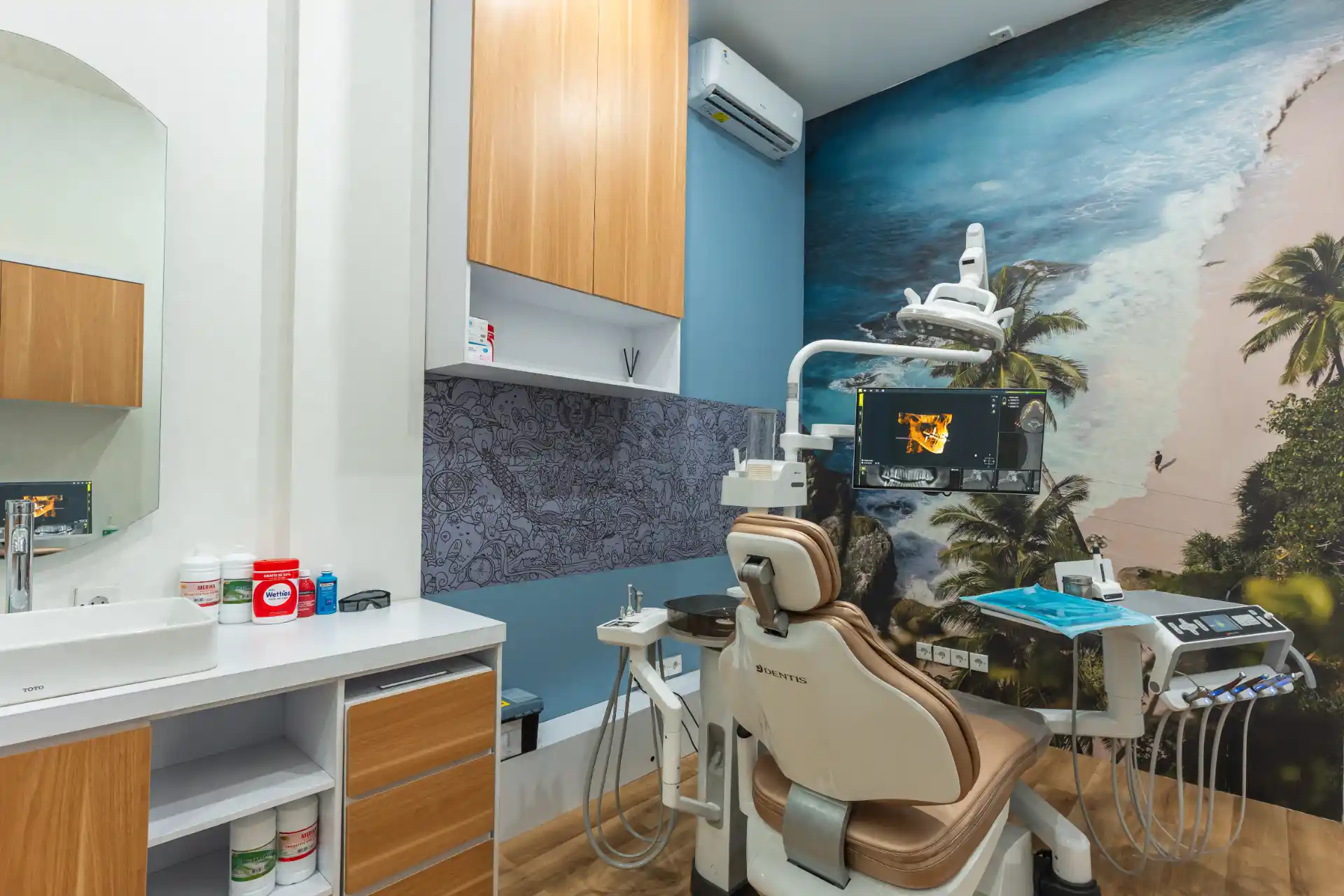
The clinic itself plays a big role in lowering stress. Patients describe it as clean, modern, and professional, which are qualities that contribute to a calming atmosphere. We understand that a welcoming environment helps reduce sensory overload and makes visits less intimidating.
4. Friendly & Multilingual Staff
BIA’s staff are consistently described as kind, helpful, and professional. Clear communication and a warm demeanor go a long way in reducing anxiety, especially for patients who may already feel vulnerable.
5. Personalized Treatment Plans for Anxious Patients
BIA doesn’t follow a one-size-fits-all approach. Our team adapts care based on individual needs, opting for less invasive options or adjusting the pace of treatment. This flexibility helps patients gradually build confidence in the dental setting.
Read Also: Dental Bridges vs Implant: Which One is Right for You?
Meet the Perfect Solution for Your Dentophobia!
Overcoming dentophobia is about finding the right support, environment, and approach that makes dental care feel safe again. With understanding and patience, even the most anxious patients can take back control of their oral health.
At BIA Dental Center, the journey begins with a thoughtful consultation. Dentists conduct a thorough examination (sometimes with X-rays and dental photography) and then walk patients through the findings. Each step is clearly explained, with personalized treatment plans that ensure comfort and confidence before any procedure begins.