Dental cleaning is essential for maintaining your mouth's health, and it shouldn't be painful. Still, you might be wondering, "Why does dental cleaning hurt?" If you've ever felt discomfort during or after a session, you're not alone.
The pain usually originates from gum problems, tartar buildup, or sensitive teeth, rather than the cleaning itself. The good news? There are ways to make it easier and pain-free. Keep reading to find out how you can enjoy a more comfortable dental experience!
Read Also: Teeth Scaling Side Effects You Should Know
What Makes Dental Cleaning Hurt?
Dental cleanings are usually painless, but for some people, they can feel uncomfortable or even sting a little. That discomfort often points to underlying issues that need attention.
1. Inflamed and Bleeding Gums
When the gums are inflamed, like in gingivitis or when they’re swollen, they become more sensitive to touch. This may make cleaning tartar difficult or even a little painful. However, this illness is quite common and may get better over time.
In addition to inflammation, bleeding gums may occur for several reasons, such as brushing too harshly, using a toothbrush that isn't gentle enough, or just starting to floss. Moreover, bleeding gums factors are pregnancy, certain medications like blood thinners, or dental work that isn’t done correctly.
All of those factors can lead to irritation and bleeding in the gums. Maintaining proper dental care and undergoing regular cleanings can help reduce inflammation over time. Moreover, it makes future visits more pleasant and less stressful.
2. Plaque and Tartar Buildup
Why does dental cleaning hurt? Leaving plaque uncleaned for an extended period of time is a typical cause. Over time, it hardens into tartar, especially below the gum line. This adds another layer of difficulty and maybe suffering to the cleaning procedure.
The longer someone waits to clean, the more tartar builds up and the worse the scaling becomes. Therefore, it's crucial to maintain your daily dental care and schedule regular exams to prevent excessive plaque buildup and ensure that treatment remains mild and pleasant.
3. Sensitive Teeth or Thinning Enamel
Have you ever felt an intense ache in your teeth when the dentist was cleaning them? It might be because your teeth are sensitive. This typically occurs when the enamel becomes thinner or the roots become exposed to the surrounding environment. Brushing too hard or an infection in your gums might make it happen.
You may experience a sharp ache immediately during the cleaning process. However, don’t worry. You can reduce sensitivity by using a soft toothbrush, toothpaste designed for sensitive teeth, and practicing good oral hygiene to prevent buildup.
4. Deep Cleaning Procedures
The sensation of pain in the gums is a common side effect of scaling and root planing. Since this kind of cleaning goes deeper than usual, your gums just need some time to heal. Some people also experience a slight sensitivity in their teeth, but this usually subsides within a few days.
It’s not unexpected to have some aftereffects, since deep cleaning is more comprehensive than a routine cleaning. After the procedure, your dentist will typically tell you what’s necessary to help your gums recover quickly and keep you comfortable during the healing process.
Your dentist may also ask you to return for a follow-up to ensure everything’s healing properly and the swelling is going down.
What to Do If Cleaning Hurts
There are a few simple steps you can take to make the experience easier and less painful.
1. Communicate with Your Dentist or Dental Hygienist
If you experience any pain during cleaning, please tell your doctor immediately. Talking to each other is essential. You may require a local anesthetic to numb the area, making the treatment more comfortable and less painful.
2. Pre-visit Preparation
If you regularly experience discomfort when scaling, consider using a toothpaste designed for dental sensitivity for a few days prior. Before your appointment, you may also take a moderate painkiller. These little strategies might make your time much more pleasant.
3. Post-scaling Care
Teeth are often slightly sensitive after scaling. Therefore, it's recommended to avoid meals that are too hot or too cold. Taking in warm salt water may also help calm your gums. If you want to keep the irritation at a minimum, try a toothbrush with soft bristles.
Read Also: What Is Dental Scaling? Purpose, Procedure, and Benefits
How BIA Dental Center Makes It Pain-free
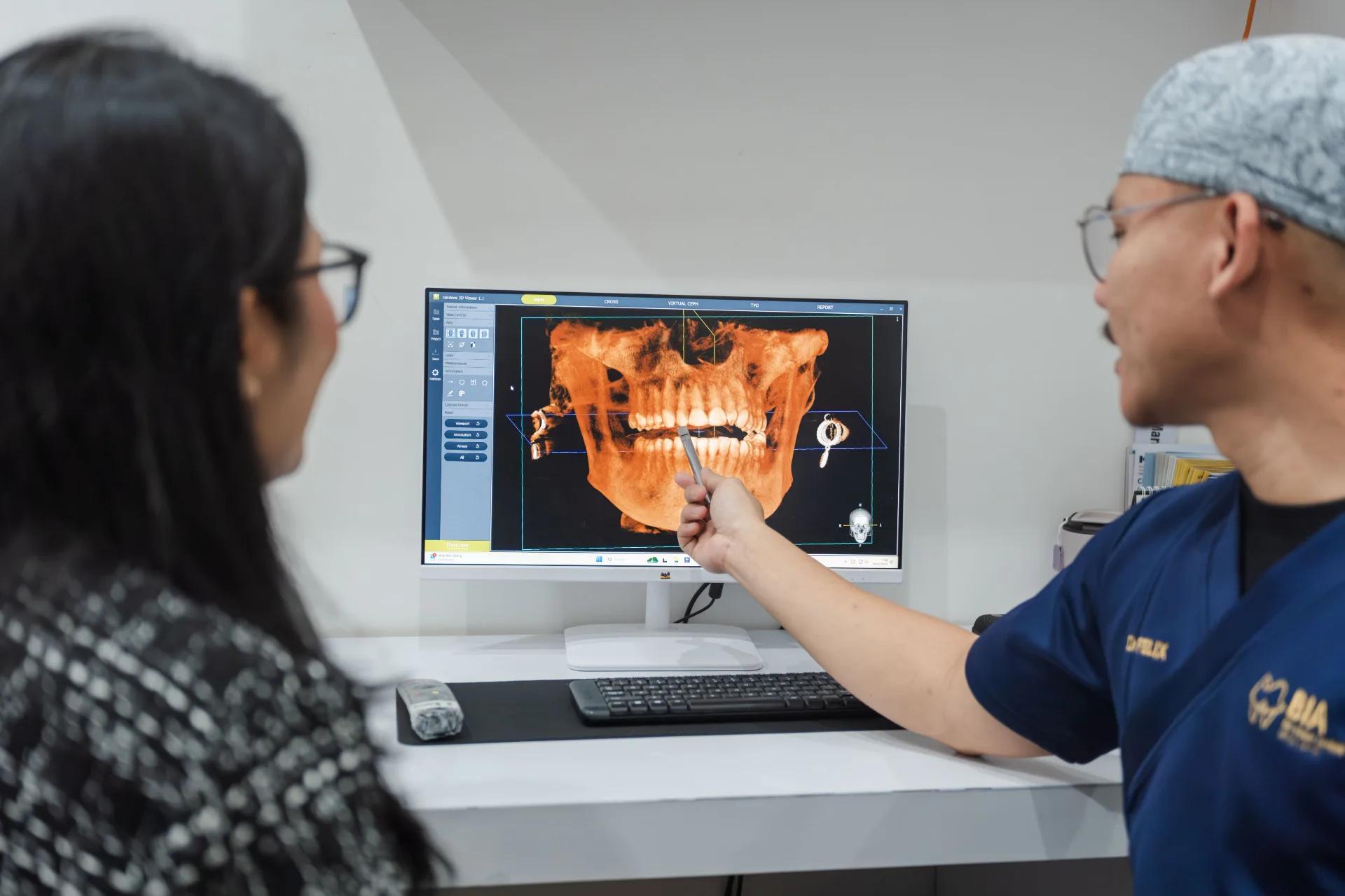
Worried about the discomfort? You don’t have to be. At BIA Dental Center, your comfort is a priority from the moment you walk in.
1. Digital Technology and In-house Anesthesia
BIA Dental Center uses advanced digital tools alongside in-house anesthesia to make treatments less uncomfortable. You can stay relaxed from start to finish, since every step is done with comfort in mind. Advanced technology enables more precise observations, making the procedure more comfortable for everyone involved.
2. Personal and Empathetic Approach
As the best dental center in Bali, BIA understands that fear of the dentist is real for many people. That’s why our team takes extra care to create a calm and supportive environment from the moment you walk in. Our friendly staff will talk you through each step of your procedure, answer any questions, and make sure you're comfortable at all times.
We never rush treatments. Instead, we listen closely to your concerns and tailor the experience to your comfort level. Whether that means using additional numbing options, offering breaks during cleaning, or simply giving you reassurance. At BIA, you're not just another patient, you're someone we genuinely care about. Your peace of mind is part of our treatment plan.
Every mouth is different, and what causes discomfort for one person may not apply to another. If you're unsure about the cause of your pain or how to manage it, it's always best to have a dentist examine you in person rather than self-diagnosing based on general information found online or through AI tools.