
Dental Structure
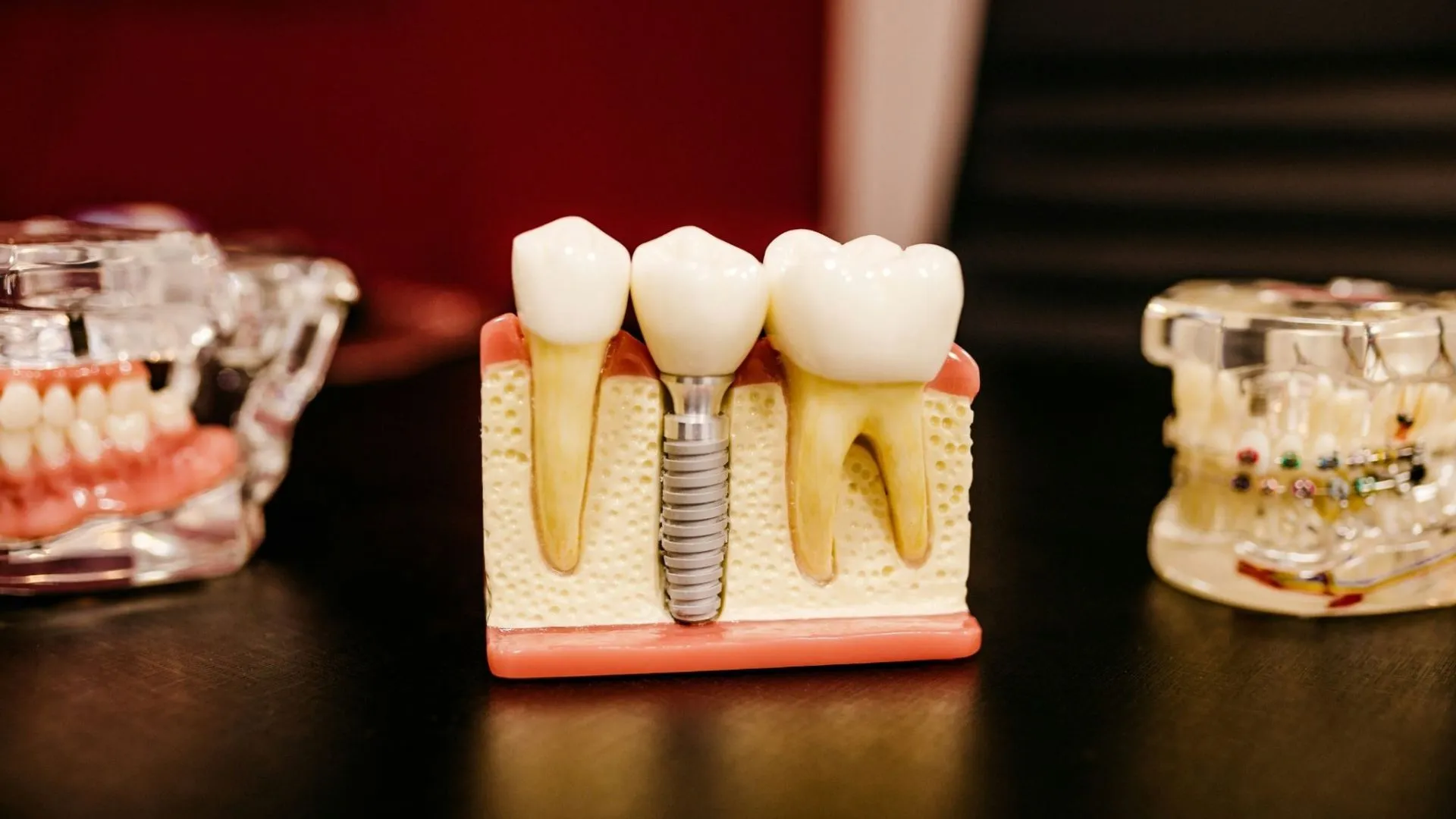
Teeth consist of 2 parts. A crown is the top part of a tooththat is visible in the mouth. The root extends to the jawbone, holding theteeth in position. Teeth also consist of:
Enamel - hard outer layer.
Dentin - a softer material that supports enamel and formsthe majority of teeth.
Cementum - a hard material that coats the surface of a root.
Dental pulp - soft tissue in the center of a tooth

About molars
You have different molar teeth when you grow up. Themolarsthat you get around the ages of 6 and 12 are known as your first andsecondmolars. Third molar teeth are wisdom teeth, which you will get betweenthe agesof 17 and 30 years. Molar pain can range from blunt to sharp. You canexperiencemolar pain in one place or throughout the mouth. Sometimes, you needto see a doctor or dentist to treat thecause of this pain. You can preventmolar pain by practicing good dentalhygiene and visiting the dentist regularlyfor examinations.
Symptoms of Molar Pain
Molar pain can include pain that is isolated to one molar orpain that surrounds one or more of your molars. Symptoms of molar pain dependon the cause but can include:
- Fever
- Headache
- Pain near your ear
- Pain when chewing
- Sensitivity to cold and hot food and drinks
- Sharp painSinus pressure
- Swelling or bleeding gums
- Tenderness near your jaw
- Throbbing in your jaw
- Tight jaw musclesPain that worsens at night
Causes of Molar Tooth Pain
Molar pain may be related to your teeth or can be causedbyconditions that are not related to your teeth. Some of these causesareinterrelated while others are more isolated. Sensitivity to cold and heatisalso one of the causes of molar tooth pain. That happens when your toothenamelwears out and deeper layers of teeth that contain nerves become exposedto foodand drink. This type of sensitivity can be caused by tooth decay, brokenteeth, old fillings, and even gum disease.
Tooth decay, also known as tooth decay, can occur inyourmolars due to poor dental hygiene. Some people are also more susceptibletocavities. You may feel sharp or throbbing pain in the molar that hascavities. Pulpitis is the result of inflammation in your teeth caused bycavities. This inflammation can cause a bacterial infection and needs to betreated before itdamages your teeth or mouth permanently.
Root Canal Treatment (Molar Tooth) As A Solution

Root canal treatment is only needed when dental x-raysshowthat the pulp has been damaged by a bacterial infection. The pulp will starttodie if it is infected by bacteria, so the bacteria continue to multiplyandspread. Symptoms of a pulp infection include:
Pain when eating or drinking hot or cold
Pain when biting orchewing
Loose teeth
As the infection continues, these symptoms willdisappear when the pulp dies.
Pain when eating or drinking hot or cold
Pain when biting orchewing
Loose teeth
As the infection continues, these symptoms willdisappear when the pulp dies.
Your teeth then appear to have healed, but the infectionhasactually spread through the root canal system. You finally get furthersymptomssuch as:
Pain when biting or chewing again.
Swelling of the gums near the diseased tooth
Pus flows from diseased teeth
Facial swellingTooth color becomes darker
Pain when biting or chewing again.
Swelling of the gums near the diseased tooth
Pus flows from diseased teeth
Facial swellingTooth color becomes darker
It is important to see a dentist if you have a toothache. If your teeth become infected, the pulp cannot heal by itself. Leaving infectedteethin your mouth can make matters worse. Antibiotics, drugs to treatbacterialinfections, are not effective in treating root canal infections, ifthe rootcanal infections are not removed and treated.
Bia Dental Center Root Canal Treatment (Molar) Service
Before undergoing root canal treatment (Root CanalTreatment), our dentist will perform a series of X-rays of the affected teeth.In the picture below, the left tooth x-ray before root canal treatment, theright X-ray of the root canal treatment has been done and the filling ofobturation material in the root canal.

X-rays are useful for building a clear and detailed picture of the root canal so that it can assess the extentof the damage. Root canal treatment is usually done with local anesthesia, a temporary painkiller when trying to treat infected teeth and gums around it. In some cases wherethetooth has died and is no longer sensitive, there is no need to uselocal anesthesia.
Cleanse the Dead Tooth Pulp

Found 3 root canals in molars
Your dentist will place a rubber dam around the tooth tomakesure it is dry during treatment. Rubber dams also prevent you fromswallowing orbreathing in any chemicals used by dentists. Your dentist willopen your teeththrough the crown first, the flat part at the top, to accessthe soft tissue inthe middle of the tooth (pulp). They will then clean theremaining infectedpulp.
Clean and fill the root canal
After the pulp is removed, the dentist will clean andenlarge the root canal. Root canals are usually very narrow, which makes itdifficult to fill. Your dentist will use a series of small files to enlarge thechannel and make it into a regular shape so that it can be filled. If you havesymptoms of an infection, such as rising temperatures or large swelling, youmay be given antibiotics to help manage and prevent further infections. If youhave a dental abscess, which is pus-filled swelling, your dentist will be ableto dry it at the same time.

After the root canal is cleaned, then filled with obsturacymaterial as a substitute for nerves that have previously been taken and cleaned. This part of the treatment takes several hours and needs tobe done for several visits. The front teeth of your incisors and caninesusually have one root that contains 1 root canal. Premolars and back molars(chew) have 2 or 3 roots, each containing 2-4 root canals.

The more tooth roots, the longer the treatment will befinished. If treatment needs to be done over several sessions, your dentist mayplace a small amount of medication in the cleared canal between visits to killthe remaining bacteria. The tooth will then be sealed using a temporary patch.
Highly skilled BIA Dentist Team and Modern Equipment

The team of highly skilled dentists who are graduates ofDentistry at Gadjah Mada University, Yogyakarta and Implant certification fromHarvard University, Aesthetic certification from New York (NYU) universities,and other seminar programs in various countries. It is intended that our BIADental Center team always provides the best service by providing high-qualitydental care for patients from simple examinations to complex specialistprocedures.