Not everyone has the bone strength needed for dental implants right away, and that’s when a bone graft for dental implants becomes essential. This simple procedure adds or restores bone in the jaw, giving implants the stable support they need.
In this guide, we’ll break down the procedure, its benefits, and why it’s sometimes the foundation of a perfect smile.
Read Also: Breaking Down Dental Crowns: Benefits, Types, and Procedure
What is A Bone Graft for Dental Implants?
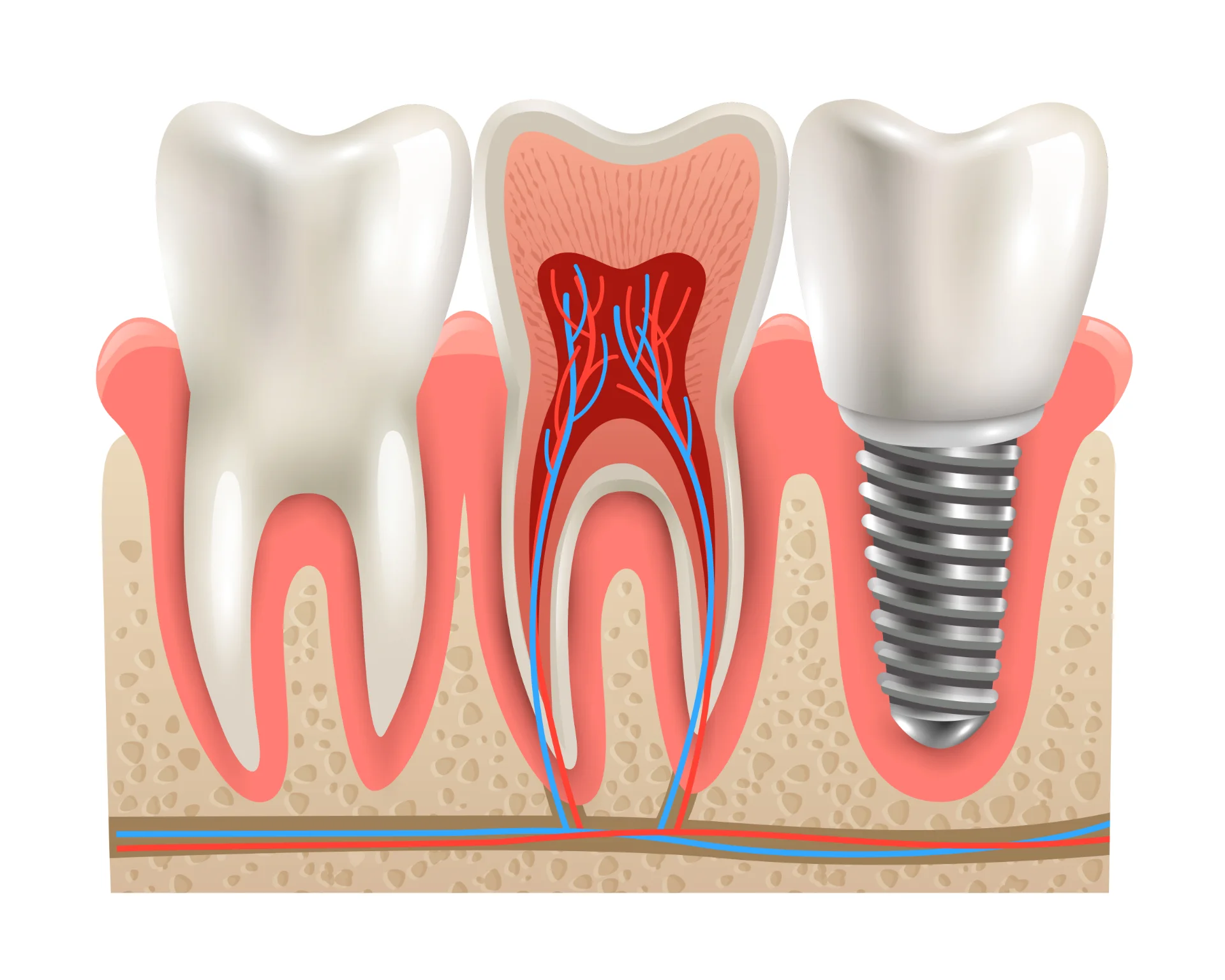
A bone graft is a surgical procedure that adds or restores bone to your jaw so it can support a dental implant. In simple terms, it’s like reinforcing the foundation of a building before constructing the rest of it.
Dentists either take bone from another source (such as your own body or a donor) or use synthetic materials to rebuild and strengthen the jaw.
According to the American Association of Oral and Maxillofacial Surgeons (AAOMS), bone grafting is a well-established technique that has been used for decades to increase implant success rates.
When is a Bone Graft for Dental Implant Needed?
A bone graft for a dental implant is often recommended under the following conditions.
- You’ve lost teeth for a long time, and the jawbone has shrunk (bone resorption)
- Gum disease has damaged the bone structure
- Trauma or infection has led to bone loss
You naturally have a thinner or weaker jawbone that cannot anchor an implant.
Cited from the Northern Virginia Periodontics, a study published in the Journal of Periodontology shows that after tooth loss, up to 25% of the supporting bone can be lost in the first year alone. This is why patients who delay implants may require grafting before treatment.
How Common is a Bone Graft?
Bone grafting is more common than many people think. About 50% of dental implant cases require some form of bone grafting to ensure long-term success. For premium dental centers, it’s a routine part of treatment planning, which is safe, predictable, and performed with advanced techniques for patient comfort.
4 Types of Bone Graft
There are four main types of bone graft materials used in dentistry. Each type has advantages, and your dentist will recommend the best option depending on your case, medical history, and treatment goals.
1. Allograft
The first type is bone sourced from a human donor, processed and sterilized for safety. It’s widely used and avoids the need for a second surgery site on the patient.
2. Alloplast
This one is a synthetic option made of biocompatible materials like calcium phosphate or hydroxyapatite. It works as a scaffold, encouraging your natural bone to grow.
3. Autogenous (or Autograft)
For autogenous types, the bone is taken from your own body, often from the chin, hip, or jaw. This type is considered the “gold standard” because it contains living bone cells that promote natural healing and regeneration.
4. Xenograft
The last is called xenograft, which is bone from an animal source, typically bovine (cow). It’s processed to be safe and biocompatible, offering strong structural support.
Bone Graft for Dental Implant Procedure
The idea of a bone graft can sound intimidating, but in reality, the procedure is straightforward. Here’s what typically happens during the process.
1. Consultation and Treatment Planning
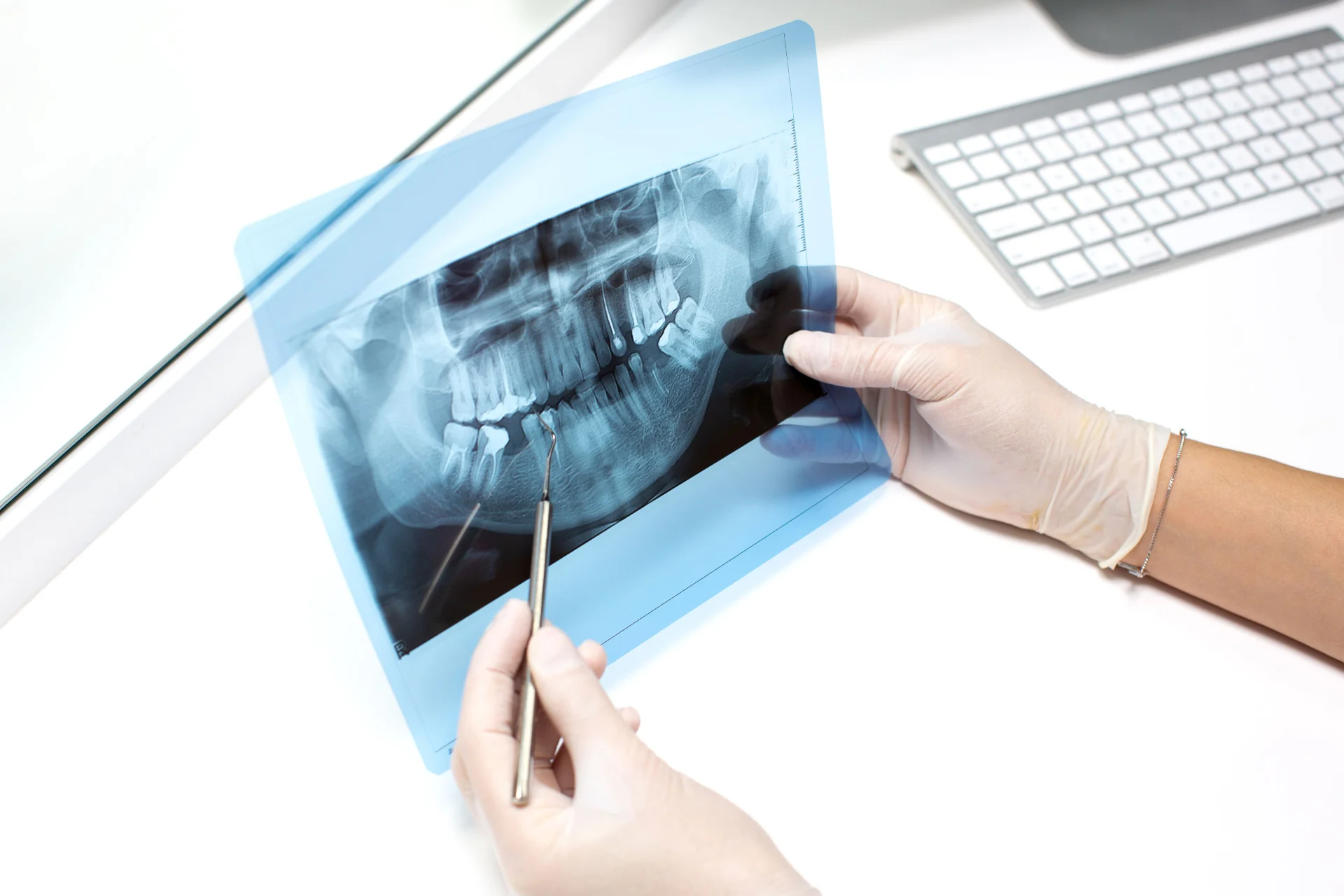
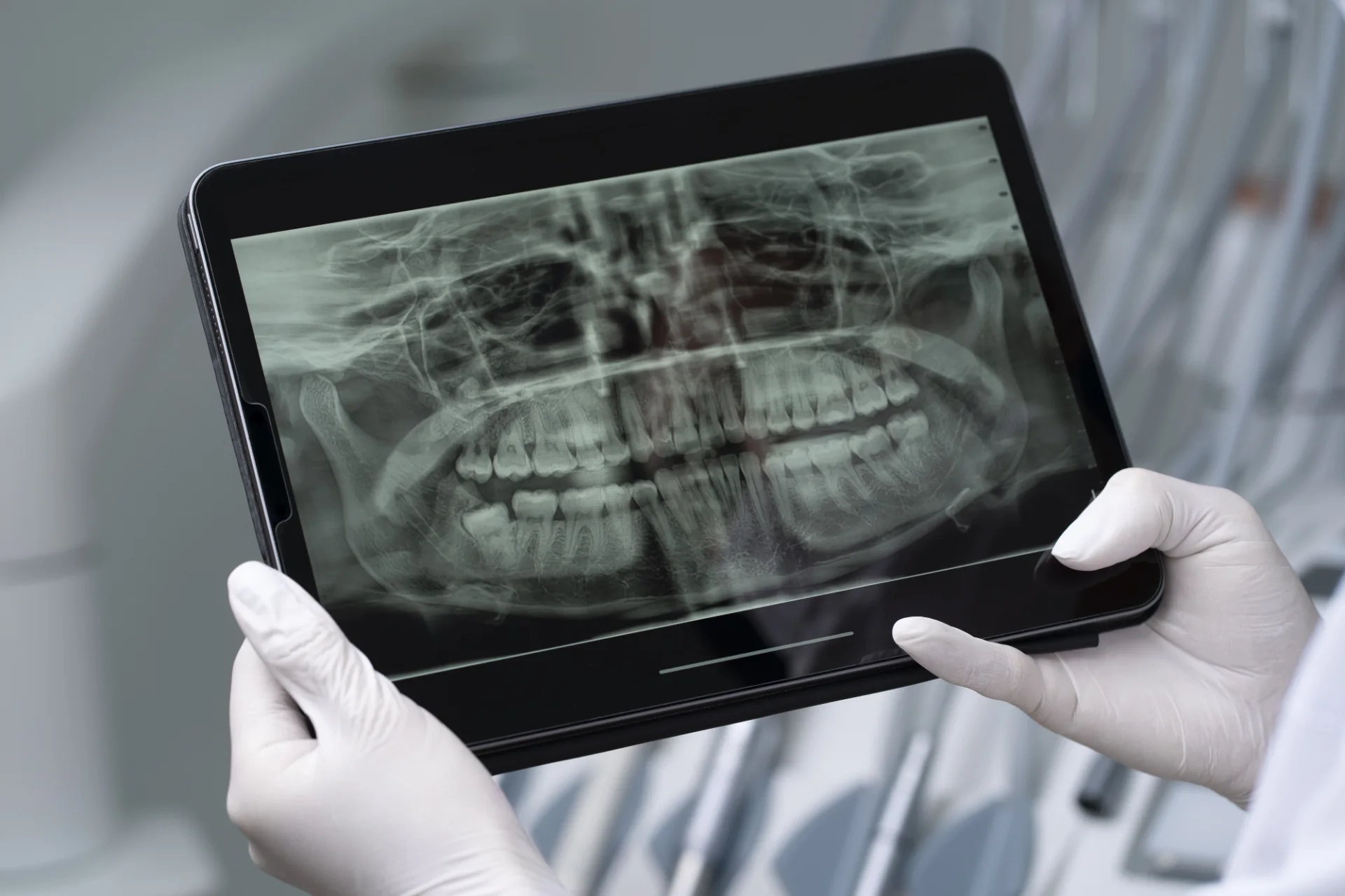
Your dentist begins with a detailed evaluation, often using digital X-rays or 3D scans to check the amount and quality of bone in your jaw. This step helps determine whether a bone graft is needed and what type of graft material is best for your case.
Then a personalized treatment plan is created, taking into account your medical history and long-term implant goals.
2. Anesthesia
Before the procedure, local anesthesia is administered to numb the area completely. For patients who feel anxious, sedation or even general anesthesia can be offered for added relaxation. Modern techniques ensure the process is pain-free. Most patients report little to no discomfort during the surgery.
3. Placement of The Graft
Once the area is prepared, the dentist places the chosen grafting material into the section of the jawbone that needs reinforcement. Sometimes a special membrane is used to cover the graft. Its purpose is to protect it and to guide bone regeneration. The gum tissue is then sutured (stitched) to secure everything in place.
4. Healing and Bone Integration
The most important stage happens after the surgery, i.e., healing. Over the next several months, the grafted material fuses with your natural bone through a process called osseointegration. This integration builds strength and volume in the jaw, creating a stable foundation for the dental implant.
5. Implant Placement
Once the graft has fully healed, which typically takes between 3 to 6 months, your dentist can proceed with placing the dental implant. In some cases, if the bone condition is favorable, the graft and implant may even be placed during the same appointment.
Benefits of Bone Graft for Dental Implant
A bone graft functions beyond a preparatory step for dental implants, offering lasting advantages that go beyond functionality. Below are the key benefits you can expect.
- Increases the chance of implant success
- Restores natural facial structure by preventing jawbone collapse
- Makes it possible for patients who were previously “not candidates” for implants to finally receive them
- Long-term durability, because once healed, the new bone is just as strong as your natural bone
Risks of Bone Graft
Like any medical procedure, bone grafting has potential risks, although serious complications are rare when performed by skilled dentists. Risks may include:
- Minor swelling, bruising, or discomfort (temporary)
- Infection at the graft site
- Graft rejection (uncommon)
- Longer healing time depending on the type of graft
However, most patients recover well, and bone grafts have a very high success rate, especially in modern dental practices using advanced materials and techniques.
Read Also: Dentophobia: Causes, Symptoms; How to Overcome It
A Strong Foundation Matters for Your Dental Implants
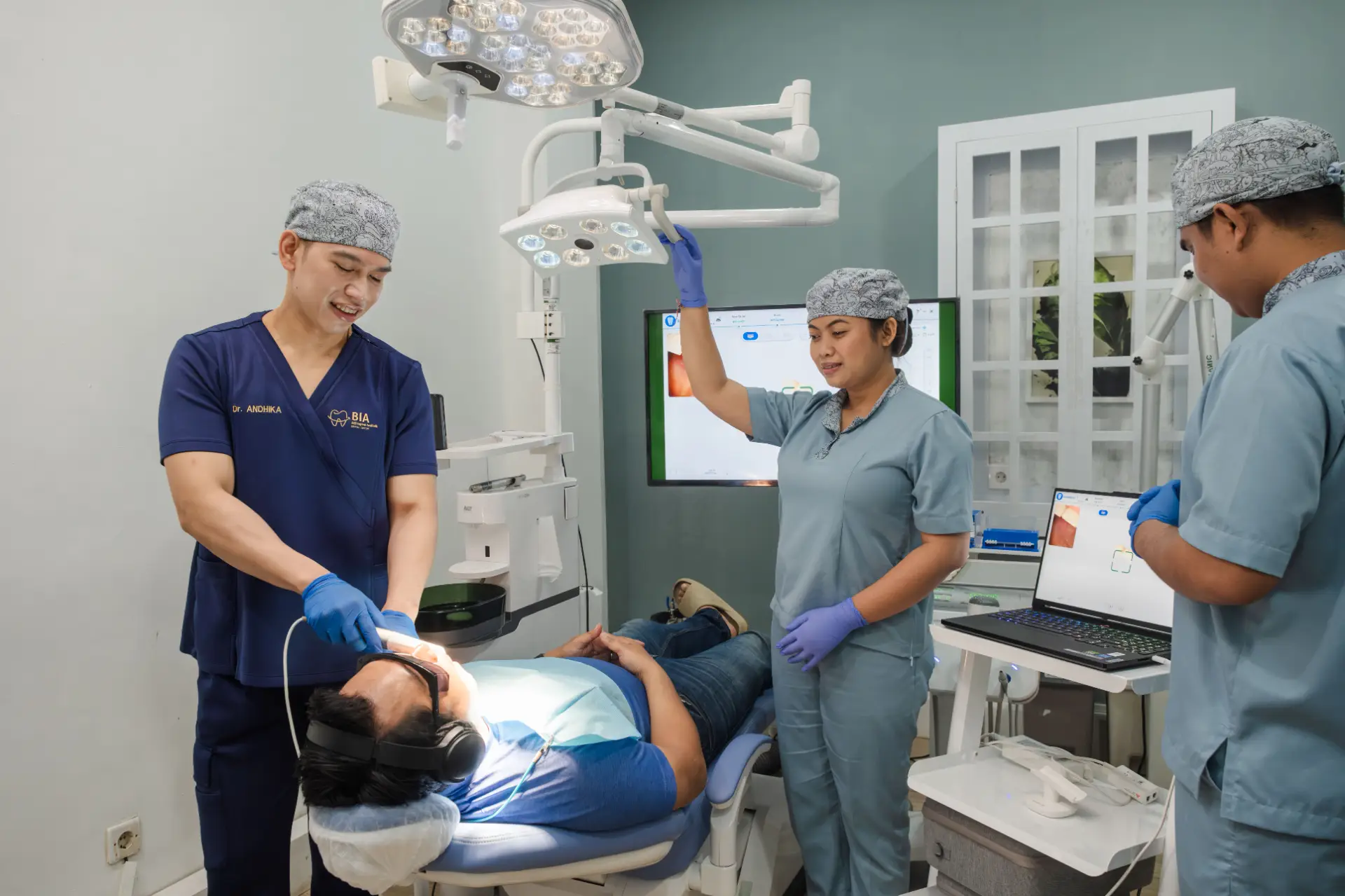
At BIA Dental Center in Bali, our internationally trained dentists specialize in advanced implant procedures, including bone grafting, with a focus on comfort and safety. We offer skilled & experienced dentists, pain-free treatment with modern anesthesia and sedation options, and transparent pricing with no hidden surprises.
If you’re looking for world-class dental care in Bali, trust BIA Dental Center to give you the smile you deserve. Contact BIA Dental Center today and book your appointment easily via WhatsApp.