What you should know and do if you experience pain in your molars

Recognizing the Parts of the Teeth
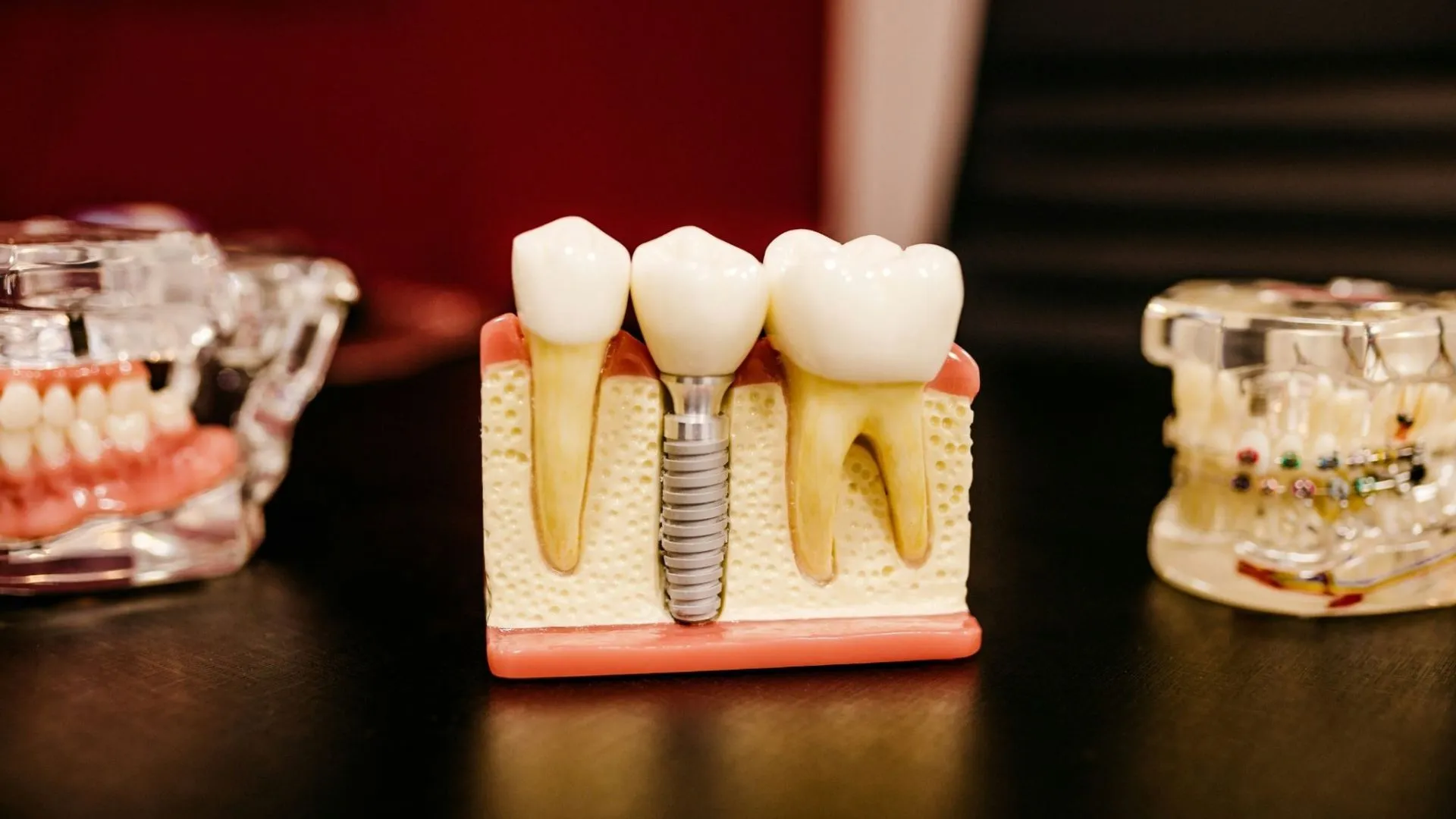
Maybe all this time you only know the white part of the tooth that appears from the outside, but in more detail, the tooth consists of several layers or parts. The following are the parts of the teeth according to their function:
Enamel
Enamel is the outermost part of the teeth and is the hardest and whitest. Enamel is formed from calcium and phosphate which plays a role in protecting vital tissues inside the teeth.
Dentin
The dentin layer is between the enamel layers. When the enamel is damaged, hot or cold temperatures can enter the teeth, causing tooth sensitivity or pain.
Pulp
The pulp is the softer part of the tooth anatomy. The pulp is found in the center and core of your tooth which contains blood vessels, nerves, and other soft tissues. This section is useful for providing nutrition and conveying signals to the tooth such as feeling pain when the dentin becomes inflamed.
About Molars
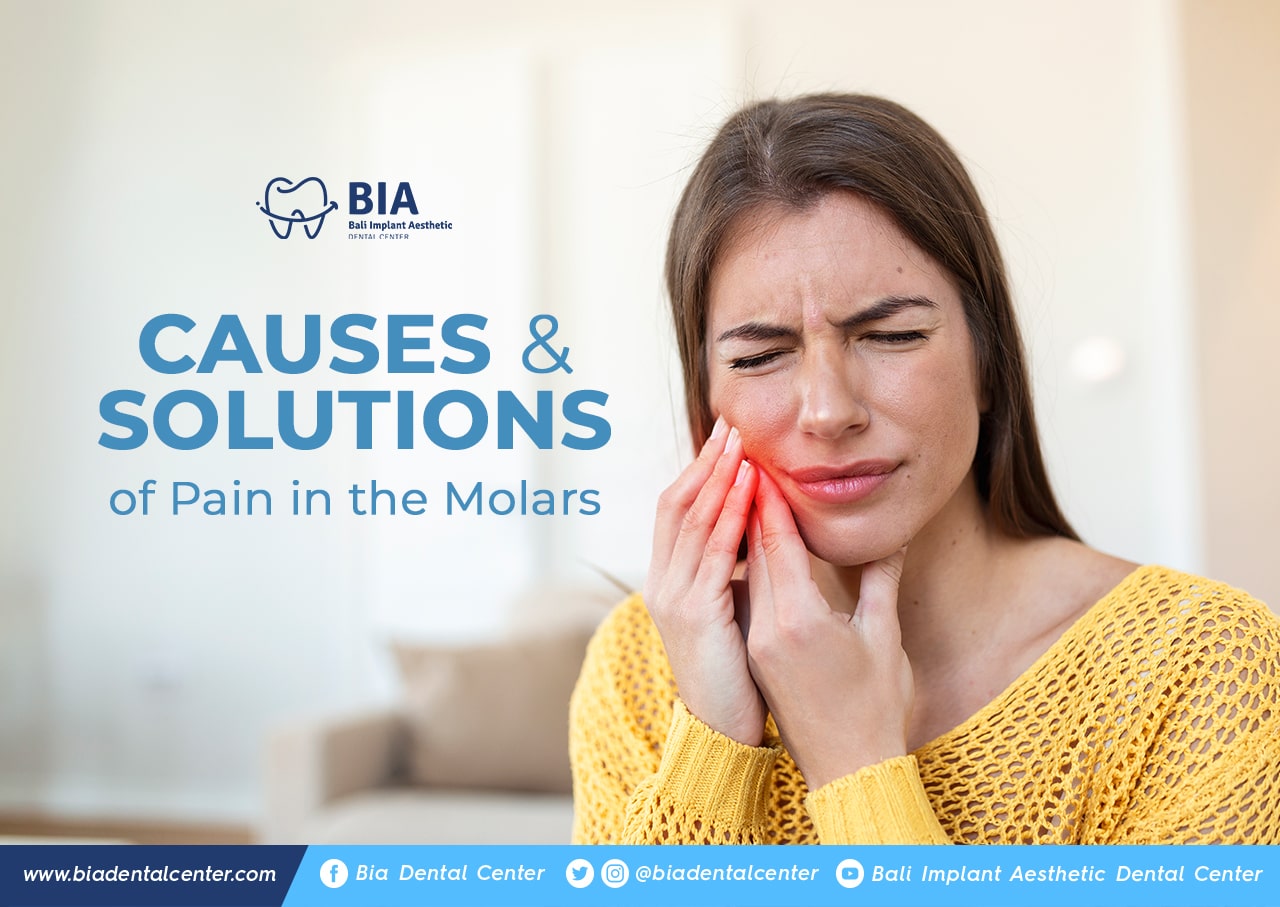
You have different molars when you are growing up. The molars you get around ages 6 and 12 are known as your first and second molars. Third molars are wisdom teeth, which you will get between the ages of 17 and 30. Molar pain can range from dull to sharp. You can have a molar pain in one place or all over your mouth. Sometimes, you need to see a doctor or dentist to treat the cause of this pain. You can prevent molar pain by practicing good dental hygiene and visiting your dentist regularly for checkups.
Molar Pain Symptoms
Molar pain can include pain isolated to one molar or pain surrounding one or more of your molars. Symptoms of molar pain depend on the cause but can include:
· Fever
· Headache
· Pain near your ear
· Pain when chewing
· Sensitivity to cold and hot food and drinks
· Sharp pain
· sinus pressure
· Swelling or bleeding gums
· Tenderness near your jaw
· Throbbing in your jaw
· Tight jaw muscles
· Pain that gets worse at night
Causes of Molar Toothache
Molar pain may be related to your teeth or it can be caused by conditions unrelated to your teeth. Some of these causes are interrelated while others are more isolated. Sensitivity to cold and heat is also one of the causes of molar tooth pain. It occurs when your tooth enamel wears away and the deeper layers of the teeth that contain nerves become exposed to food and drink. This type of sensitivity can be caused by tooth decay, broken teeth, old fillings, and even gum disease.
Cavities, also known as tooth decay, can occur in your molars due to poor dental hygiene. Some people are also more prone to cavities. You may feel a sharp or throbbing pain in the molars that have cavities. Pulpitis is the result of inflammation inside your teeth caused by cavities. This inflammation can lead to a bacterial infection and needs to be treated before it permanently damages your teeth or mouth.
Root Canal Treatment (Molar Tooth) As The Solution
Root canal treatment is only needed when a dental X-ray shows that the pulp has been damaged by a bacterial infection. The pulp will start to die if it is infected by bacteria, so the bacteria will continue to multiply and spread. Symptoms of a pulp infection include:
• Pain when eating or drinking hot or cold
• Pain when biting or chewing
• Loose teeth
• As the infection progresses, these symptoms disappear when the pulp dies.
Your tooth then appears to have healed, but the infection has actually spread through the root canal system. You end up getting further symptoms like:
• Pain when biting or chewing again.
• Swollen gums near the aching tooth
• Pus flows from the aching tooth
• Facial swelling
• Tooth color becomes darker
It is important to see a dentist if you have a toothache. If your tooth becomes infected, the pulp will not heal on its own. Leaving an infected tooth in your mouth can make things worse. Antibiotics, drugs to treat bacterial infections, are not effective in treating root canal infections, if the root canal infection is not removed and treated.
Click the following link to find out about Root Canal Treatment:
https://biadentalcenter.com/articles/en/160/root-canal-treatment,-does-it-hurt