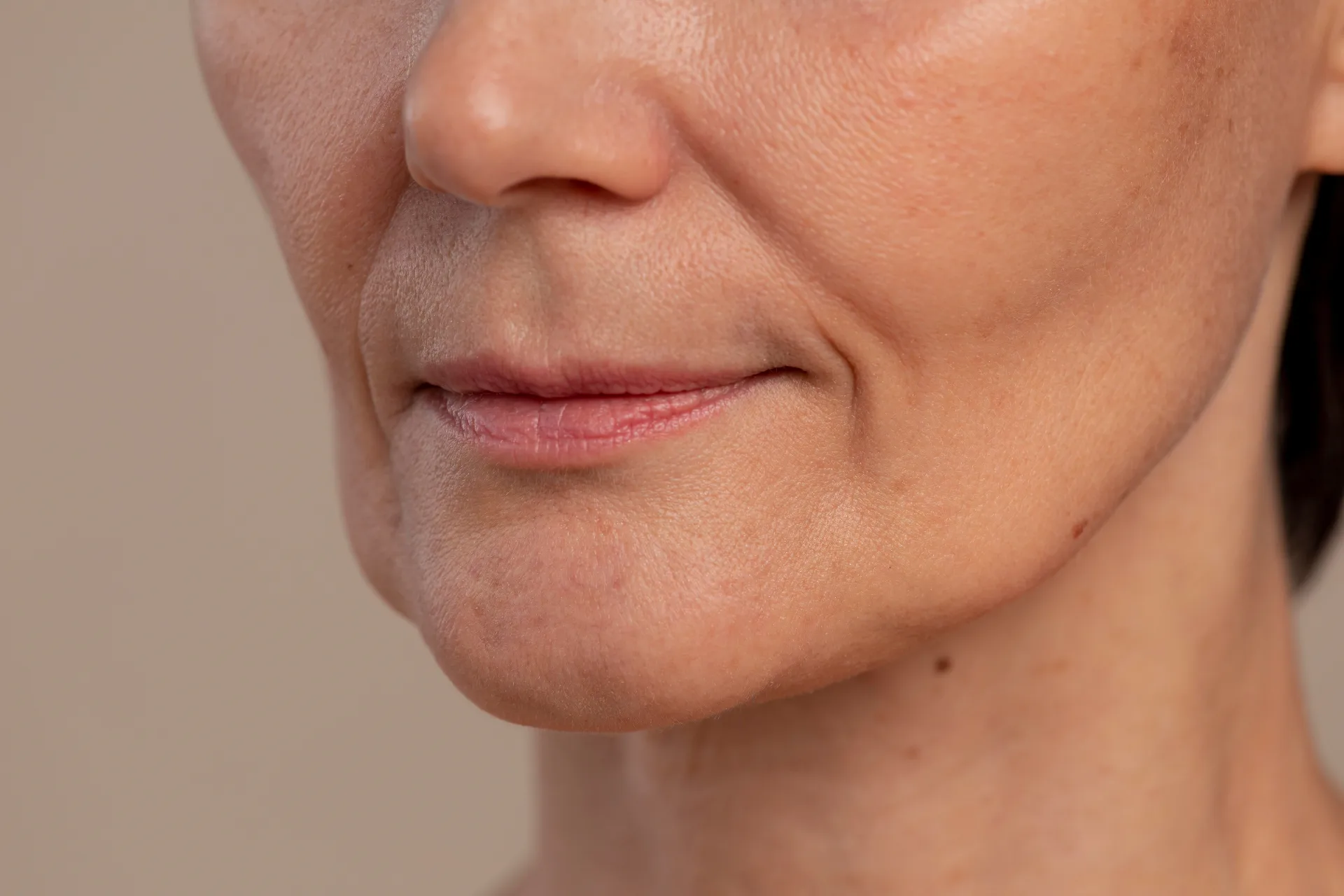
A sunken face after tooth extraction can be unsettling, especially if you expected the procedure to only affect your smile. The truth is, it can also alter the way your face looks. Without the natural structure that teeth provide, your cheeks and lips may sag, creating a hollow or aged look over time.
Many people notice these subtle changes months or even years later, which is why understanding the connection between tooth loss and facial structure is so important.
Read Also: When Can I Eat Solid Food After Tooth Extraction?
Why Does the Face Look Sunken After Tooth Loss?
Here are the main processes, supported by scientific evidence, that explain what leads to that hollow or sunken face after tooth extraction.
1. Bone Resorption (Alveolar Ridge Loss)
After a tooth is removed, the alveolar bone, which is the part of the jawbone that held the tooth root, no longer gets the mechanical stimulation from chewing and biting that it did. Bone is a living tissue and needs stimulus; without it, it gradually resorbs or shrinks.
Studies show this process is relatively rapid in the first 3-6 months, then continues more slowly. For example, one systematic review of human studies published by Clinical Oral Implant Research found that horizontal dimensional change is 32% at 3 months and 29-63% at 6-7 months after extraction.
Furthermore, the vertical bone loss (height) is also significant, about 11-22% at 6 months. If measured in millimeters, that can mean a reduction of ~3.5-4 mm in width and 0.99 mm in height.
Why does this matter for appearance? Loss of bone width or height causes less support for overlying soft tissues, including gums, muscle, and skin. As the bone shrinks, the skin pulls in, cheeks flatten, and lips lose support. It leads to hollowness or a “sunken” look.
2. Loss of Facial Support from Teeth
Teeth do more than chew, they help to hold in place the soft tissues like cheeks and lips. They effectively prop up parts of your face. Thus, without underlying bone and teeth, soft tissues may lose their firmness. Muscle tone and the connective tissues shift, stretch, or sag more easily when the structure underneath diminishes.
As support decreases, features like the cheeks may hollow, especially around the molar areas, the corners of the mouth may turn downward, nasolabial folds (the lines from nose to mouth) deepen, and lower face height may reduce. All of this contributes to the sunken appearance.
3. Gradual and Cumulative Changes
The bone loss and soft tissue changes don’t usually happen overnight. Most of the significant bone reduction occurs during the first 3-6 months post-extraction, but the process continues, more slowly, for months or years.
Moreover, losing more than one tooth, especially in a row, or losing back molars vs front teeth, increases the area of bone that can resorb and reduces more soft tissue support. That leads to more noticeable facial changes.
Age, health, and other factors also matter. Older age, osteoporosis, lack of proper nutrition, smoking, poor oral hygiene, and systemic health conditions can make bone loss faster or more severe. Also, people who don’t replace their teeth allow the changes to progress.
Is It Common to Have a Sunken Face After Tooth Extraction?
Yes, it’s quite common, especially if the missing tooth isn’t replaced. The effect is more noticeable if multiple teeth are extracted or if molars are removed, as these teeth play a big role in supporting the cheeks and jawline. A single missing front tooth may cause a minor cosmetic change, but multiple extractions can significantly impact facial appearance.
How to Prevent or Fix a Sunken Face After Tooth Extraction
The good news is, modern dentistry offers multiple ways to prevent or reverse these changes. Here are the most effective solutions and how they work.
1. Dental Implants
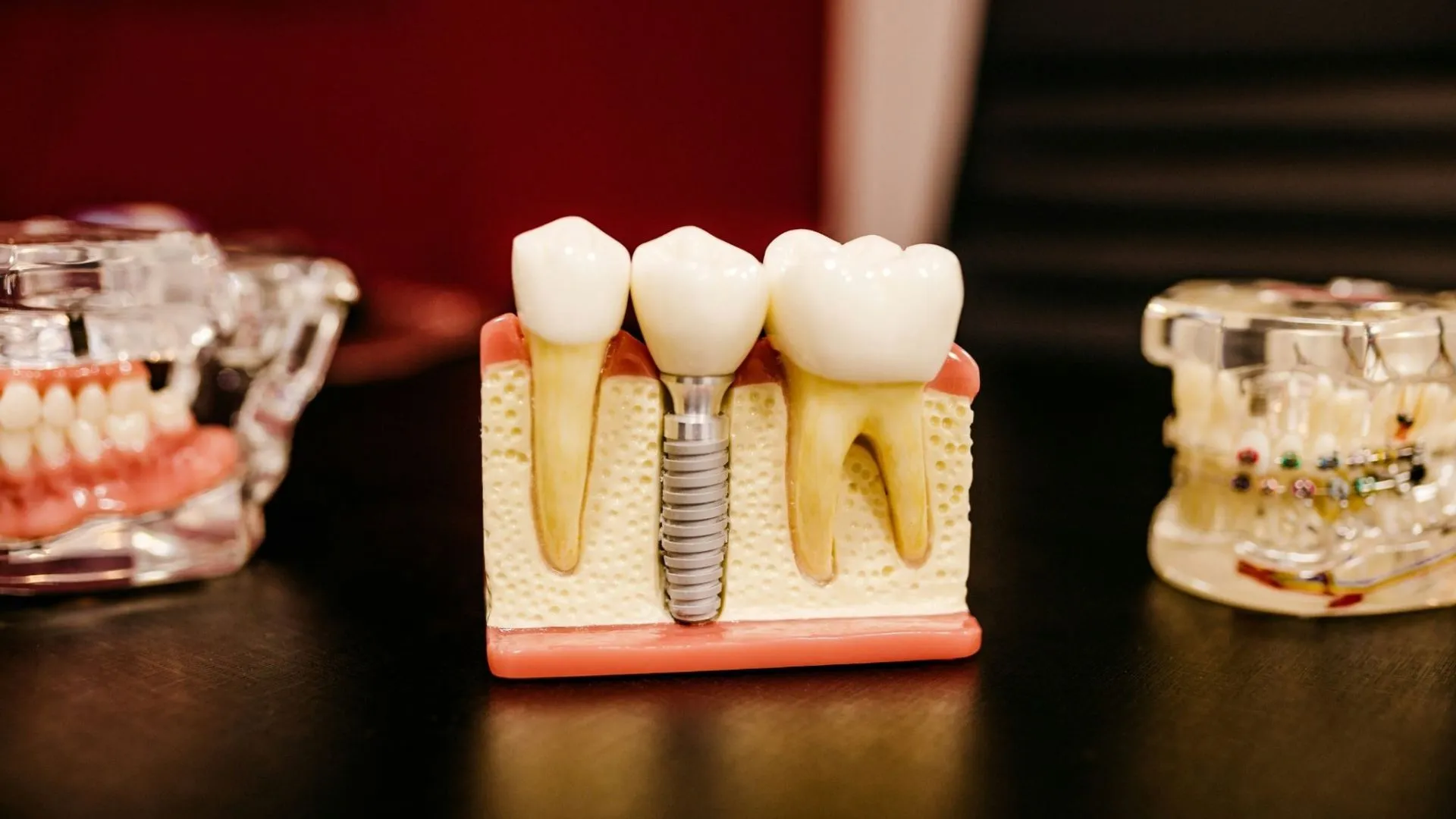
This first option is the gold standard. How do implants work? Dental implants replace not only the visible crown of the tooth but also the root, which is crucial for stimulating the jawbone. By mimicking natural roots, implants keep the bone “active”, preventing resorption.
As for long-term effects, research published by the Dentistry Journal shows that implants have a 95–98% success rate over 10 years and can preserve bone volume in the treated area. This critical benefit is not achievable with conventional bridges or dentures, which do not stimulate the underlying bone in the same way.
These impressive figures highlight the long-term effectiveness of implant therapy, making it a dependable solution for patients seeking stable, natural-looking, and functional tooth replacement.
Implants maintain natural face shape by supporting lips, cheeks, and jawline that help to avoid the hollow, sunken look. They also provide strong chewing function, which indirectly maintains bone health.
2. Bone Grafts
Bone grafting isn’t just about preparing for implants but also a way to restore the natural contours of your face after bone loss. By placing graft material into areas where bone has resorbed, a bone graft can restore the ridge’s width and height.
That way it can literally rebuild the foundation that supports your smile and facial structure. Grafts can be taken from your own body (autografts), a donor source (allografts), or synthetic materials.
A study published by the Journal of Periodontology shows that socket preservation with grafts can reduce ridge width loss by about 2–3 mm compared to natural healing.
For patients considering implants later, bone grafting is often the first step to ensure long-term stability and aesthetics. Even for those choosing dentures or bridges, grafts help maintain a fuller appearance by supporting the soft tissues around the mouth.
3. Dentures and Bridges
Dentures (removable) and bridges (fixed) replace the visible portion of missing teeth. While they don’t stimulate bone the way implants do, they provide external support for lips and cheeks. These options give you an immediate benefit. Patients often notice their face looks fuller once a well-fitted denture or bridge is in place.
However, this option has limitations. They do not stop bone resorption beneath the gums. Over years, dentures may need adjustments as the jawbone continues to shrink. In addition, advanced digital dentistry now allows for same-day or next-day fabrication of aesthetic bridges and dentures using CAD/CAM technology.
Read Also: Pain-Free Dental Care in Bali
Restore Your Smile and Confidence at BIA Dental Clinic Bali
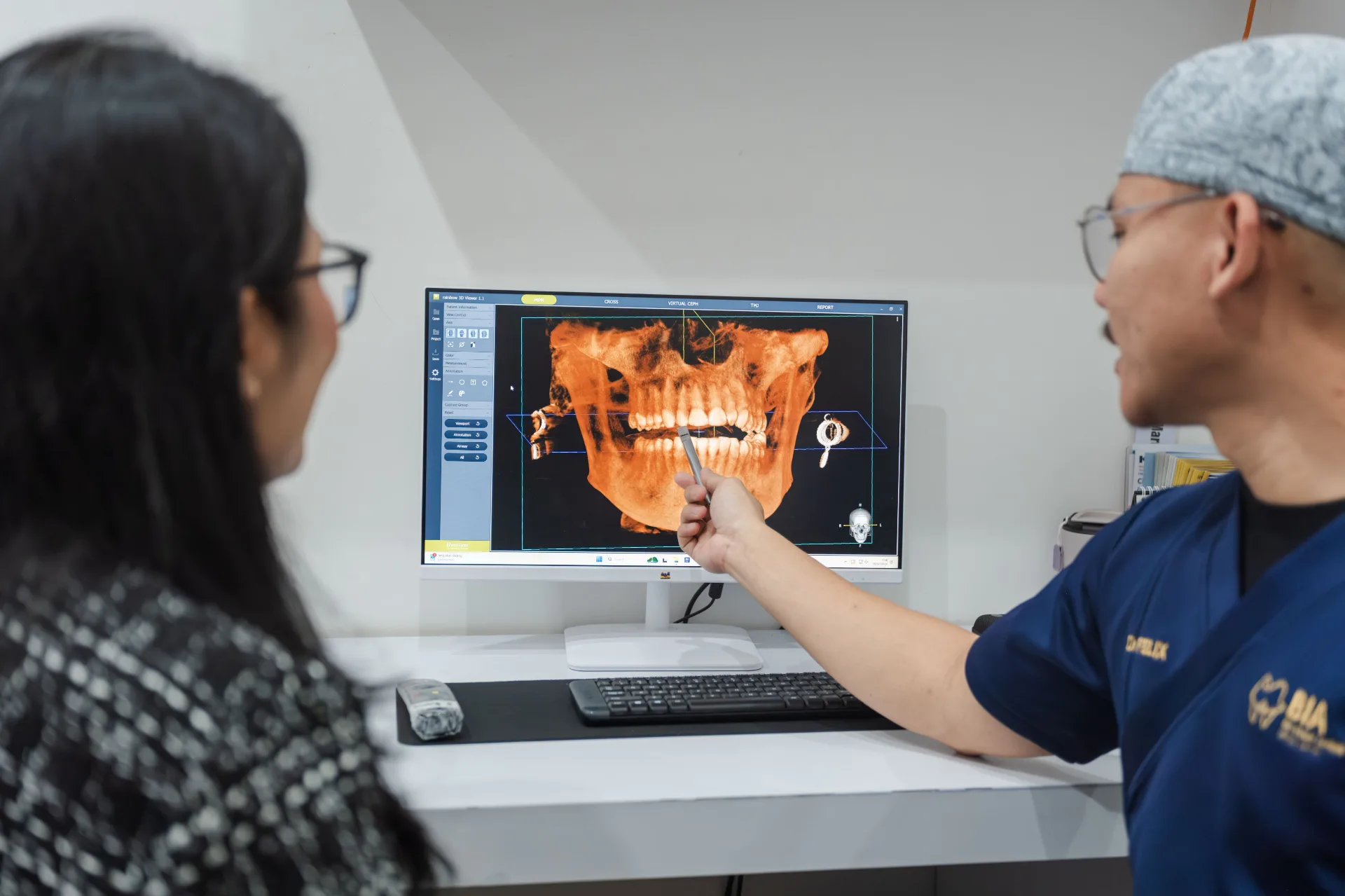
BIA is equipped with modern technology, international hygiene standards, and pain-free procedures designed for comfort and safety. No matter if you are an expat, tourist, or local patient seeking world-class dental care, BIA's team is ready to help you regain both function and confidence.
Book your consultation via WhatsApp and take the first step toward a healthier smile and a youthful look.