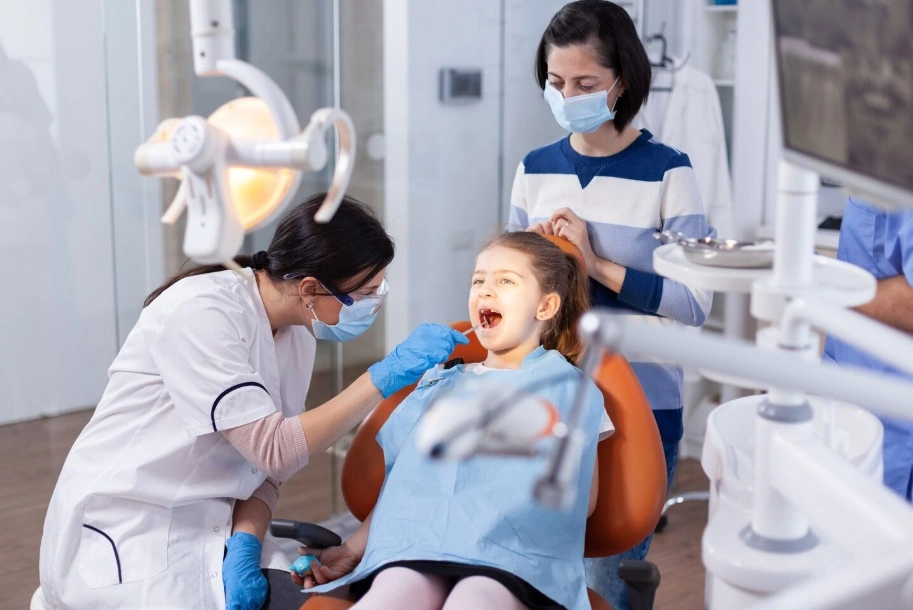
Many parents notice their children feel anxious before checkups. Why do children fear the dentist? Often, the cause is fear of the unknown or past negative experiences that make visits feel intimidating. This nervousness is common and doesn’t mean your child will always struggle with dentist visits.
As parents, understanding why children fear the dentist is the first step to helping them feel more confident. When dental anxiety is addressed early, children are more likely to develop healthy lifelong oral habits and view dental visits as a positive experience.
Read Also: Different Types of Braces: Which One to Choose?
Why Do Children Fear the Dentist?
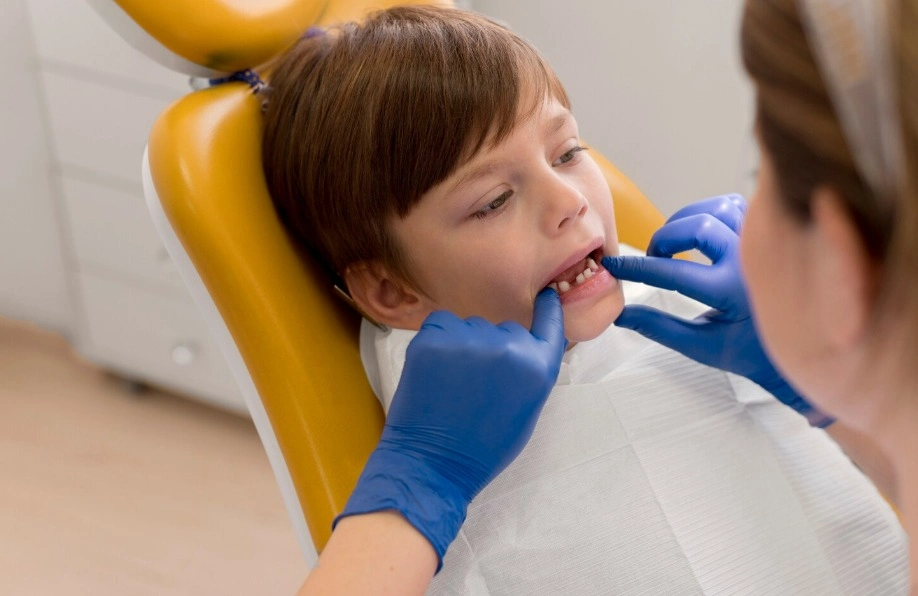
Children can feel nervous about the dentist for several reasons. Sometimes it’s the unfamiliar environment, sometimes it’s a past negative memory, and other times it’s simply not knowing what to expect. Understanding these causes makes it easier for parents and dentists to help kids feel safe and build confidence during visits.
1. Unfamiliar Environment
For a child’s first visit, a dental clinic can feel overwhelming. Bright lights, unfamiliar smells, and the sight of strange equipment can all spark anxiety. The whirring sound of drills or suction tools may seem especially frightening when children don’t know what they’re for.
Since kids often assume the unknown equals pain, creating a welcoming and child-friendly atmosphere is a powerful first step in reducing fear.
2. Unpleasant Experience
One of the strongest answers to why do children fear the dentist is a past negative memory. If a child has gone through something painful, like a tooth extraction or cavity filling, they may expect every future visit to be just as uncomfortable.
Even smaller issues, such as waiting too long, meeting an impatient staff member, or feeling rushed, can reinforce this fear. These early impressions often stick, shaping how children view dental care as they grow.
3. Lack of Preparation or Explanation
When children don’t know what to expect, their imagination can make things scarier than they really are. If parents only mention the appointment on the day itself, kids may feel unprepared and resistant.
Without simple, reassuring explanations, they might fill in the gaps with worst-case scenarios. Preparing them ahead of time in clear, positive language helps reduce fear and build trust.
Signs Your Child May Be Nervous About the Dentist
Understanding why do children fear the dentist often starts with noticing their behavior. Since every child shows anxiety in different ways, recognizing these signs allows parents to respond with empathy before fear becomes overwhelming.
1. Hesitation or Refusal to Attend Appointments
Some children may delay getting ready, drag their feet, or firmly insist they don’t want to go. This resistance is usually a reflection of fear rather than defiance. Instead of dismissing it, parents should see it as an opportunity to gently address their child’s worries and build trust.
2. Clinging or Crying Before or During Visits
Younger children might hold tightly to their parents or cry in the waiting room. These behaviors don’t mean they are being difficult, but rather natural reactions when they feel unsure or unsafe. It’s their way of seeking comfort in a new environment.
Parents can ease this fear through patience, calm reassurance, and gentle encouragement. Over time, these supportive actions help children see that dental visits don’t have to be frightening.
3. Frequent Complaints About Feeling Unwell
Children may suddenly say they have a stomachache or headache before an appointment. In many cases, these physical complaints are signs of anxiety rather than actual illness.
4. Over-Questioning or Constant Reassurance
Questions like “Will it hurt?” or “What will they do?” are normal to some extent. But when a child repeats them over and over, it often signals deeper worry. These questions are less about curiosity and more about seeking reassurance.
Parents can answer honestly yet positively, offering comfort while avoiding negative or overly detailed explanations that may increase fear.
How Parents Can Help Children Overcome Their Fear
When parents create a calm and reassuring atmosphere, children begin to view dental visits more positively. These factors make it easier to introduce simple strategies such as early checkups or playful role-play that gently reduce their fears.
1. Introduce Dental Visits Early
Experts recommend bringing children to the dentist around their first birthday or when their first tooth appears. Early exposure helps them see dental visits as normal rather than something unusual. Starting young also reduces why children fear the dentist later on. Familiarity builds comfort, making future appointments smoother and less stressful.
This early start reduces why do children fear the dentist later in life. Familiarity builds comfort, making future visits smoother and easier.
2. Use Simple and Encouraging Language
Words matter. Avoid phrases like “it won’t hurt” or “don’t be scared,” which may unintentionally create worry. Instead, describe the dentist as someone who helps keep teeth strong, shiny, and healthy. By framing the visit positively, parents reduce why do children fear the dentist and strengthen trust in dental care.
3. Role-Play a Dental Checkup
At home, parents can turn preparation into play. Using a toothbrush or toy mirror, act out a simple “checkup” to show what happens at the dentist. This playful rehearsal answers questions and makes the process feel less mysterious. Role-play not only reduces uncertainty but also helps children approach the real visit with more confidence.
4. Let Them Bring Comfort Items
A favorite blanket, toy, or stuffed animal can provide reassurance during an appointment. Comfort items give children a sense of safety in an unfamiliar place and help distract them from new sights and sounds.
Dentists who welcome these items create a friendlier atmosphere, turning what could be a stressful experience into one that feels more secure and manageable. This small step often makes a big difference in how children remember their visit.
5. Choose the Right Dental Clinic
One of the most effective strategies is selecting a clinic experienced with children’s needs. A supportive environment and understanding staff can transform how a child perceives dental care. The right clinic not only treats teeth but also helps children build confidence for future visits.
Why BIA Dental Center Is a Trusted Choice for Anxious Children
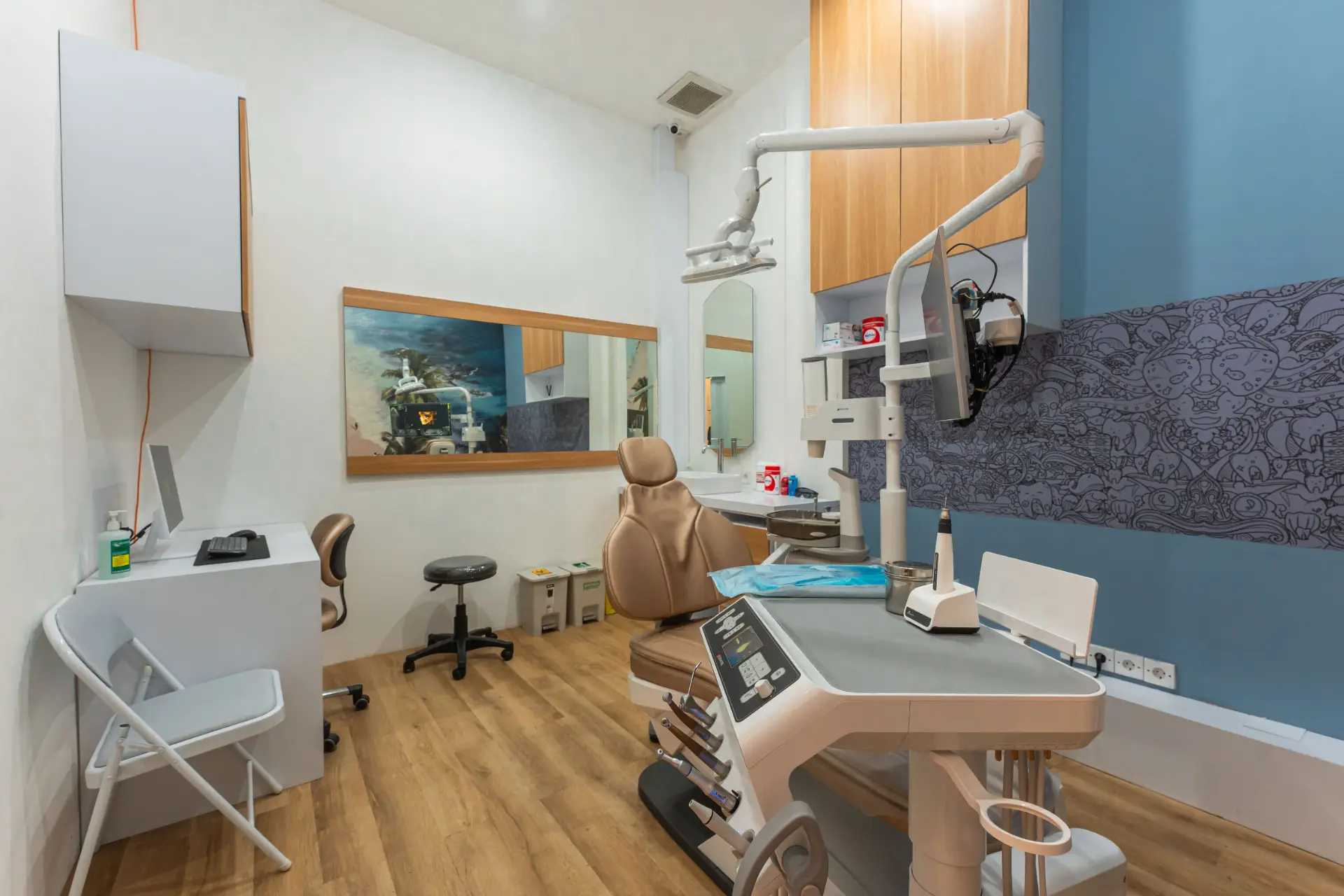
Parents don’t need to worry about their child feeling scared of the dentist. At BIA Dental Center, we provide a safe, welcoming environment designed to put children at ease. Our dentists are highly experienced in managing dental anxiety and use child-friendly language to explain every step in a way kids can understand.
From the very first visit, our focus is on building trust. Gentle encouragement, small rewards, and a calm approach help transform dental checkups into positive experiences. This child-centered care helps answer the question of why do children fear the dentist, and shows how the right clinic can turn fear into confidence.
Parents also value our transparent consultations and attentive follow-up care. We take time to explain treatments, educate families, and provide reassurance at every stage. By combining professional expertise with compassion, BIA Dental Center ensures every child leaves with a healthy smile and greater confidence for future visits.
Book a Visit and Support Your Child’s Smile
Understanding why do children fear the dentist is the first step to helping them feel safe and confident. With patience, encouragement, and the right approach, parents can show their children that dental visits are not something to fear but an important step toward a healthy, bright smile.
The right environment also makes a big difference. That’s why choosing a child-friendly clinic is so important. With BIA Dental Center’s gentle care, your child’s visit can be not only comfortable but also a fun experience. Book a consultation today and let our professionals help your child build lasting confidence and a brighter, healthier smile.