In today's modern era, the world of dentistry has undergone significant changes, especially in orthodontic treatment. In the past, metal braces were the only option to straighten teeth. Now, you can choose a more aesthetic and flexible solution: clear aligners.
This choice isn't simply about which one is more popular, but about which one suits your needs and lifestyle best. Do you prioritize appearance, treatment duration, comfort, or effectiveness for complex cases? This article will explore the pros and cons of each method to help you decide the best path toward a more confident smile.
Read Also: When is a Dental Implant Needed: 7 Common Signs
What Are Clear Aligners?
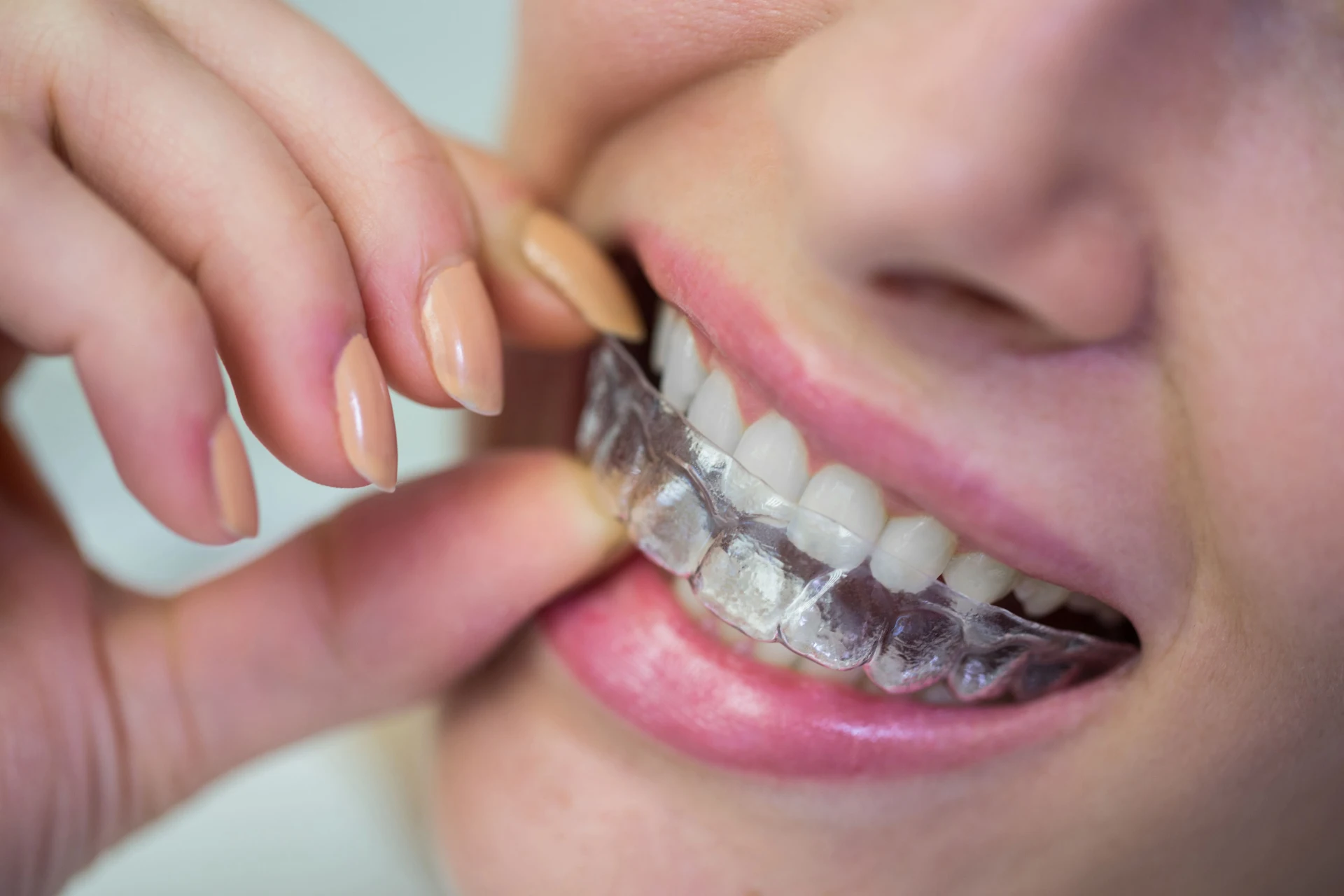
Clear aligners are transparent, removable trays made from medical-grade plastic, specially designed to gradually shift your teeth into proper alignment. They are commonly used by adults and teens who want a subtle way to straighten their teeth without visible brackets or wires. Popular brands such as Invisalign, ClearCorrect, and Spark have become leading choices due to their use of 3D scanning technology to customize each aligner set for your unique dental structure.
What makes clear aligners stand out is how well they integrate into an active lifestyle. Since they can be removed during meals and brushing, you can maintain your oral hygiene without interference. Plus, their nearly invisible design allows you to feel confident in both social and professional situations.
What Are Braces?
Unlike aligners that can be taken out, braces are fixed orthodontic appliances worn throughout the entire treatment period. They consist of brackets that are bonded to the teeth and connected by special wires. Braces work by applying constant pressure to gradually move the teeth into the desired position.
Braces are highly effective for treating complex orthodontic cases, such as severe crowding, crossbites, or significant tooth rotation. Several types are available: traditional metal braces (the strongest and most commonly used), ceramic braces (which are tooth-colored for a more aesthetic look), and lingual braces (hidden behind the teeth).
Although braces are less flexible than aligners, they don’t rely on patient discipline for wear time since they remain fixed. This makes them a great option for younger patients or anyone who prefers a set-it-and-forget-it approach for optimal results.
Aesthetics and Visibility
When choosing between clear aligners and braces, visual appearance during treatment is often a top consideration. Especially if you're socially active or work in a professional environment. Clear aligners have a major advantage in terms of aesthetics. Their transparent design makes them nearly invisible when worn, which is one of the main reasons many adults prefer them.
On the other hand, braces particularly metal types—are quite noticeable due to the visible wires and brackets when you smile or talk. While options like ceramic or lingual braces offer improved aesthetics, they still can't match the “invisible” look that aligners provide.
If you’re someone who places a high value on appearance or feels self-conscious about noticeable orthodontic appliances, clear aligners are clearly the more visually appealing choice.
Comfort and Wear Experience
Aside from appearance, comfort is another major factor in deciding your orthodontic treatment. Clear aligners are smooth and custom-fit to your teeth, which significantly reduces the risk of irritation to the inner cheeks and gums. They also don't have any sharp wires or brackets that may cause ulcers or cuts in your mouth.
In contrast, braces especially in the early weeks can cause discomfort. Adjustments during appointments may lead to soreness, and the brackets can rub against soft tissues. However, this discomfort tends to lessen as you adapt to wearing them.
Another comfort consideration is meal time. Aligners must be removed before eating, which allows you to enjoy food without restrictions. Braces, meanwhile, require dietary adjustments to avoid damaging the hardware. Sticky or hard foods can dislodge brackets or bend wires, adding potential inconvenience to your daily routine.
If you’re seeking a treatment option that offers less pain and greater flexibility, clear aligners tend to offer a more comfortable and convenient experience.
Oral Hygiene and Maintenance
When it comes to dental hygiene, clear aligners provide a significant advantage due to their removability. You can take them out to brush and floss your teeth thoroughly, just as you would without orthodontic appliances. This greatly reduces the risk of plaque buildup, gum inflammation, and tooth decay during treatment.
In contrast, braces make cleaning more difficult. Brushing around brackets and wires requires extra effort, and you may need special tools such as interdental brushes or floss threaders to maintain proper hygiene. Food particles can easily get trapped in the hardware, leading to oral health issues if not cleaned properly.
Clear aligners also need to be cleaned regularly to avoid odor and bacterial buildup, but this process is typically straightforward and quick. If maintaining optimal oral hygiene is important to you, especially during a long-term treatment, aligners can make that routine much easier to manage.
Treatment Duration and Effectiveness
Treatment time can be a major deciding factor for many patients. Clear aligners are often used for mild to moderate orthodontic cases and typically deliver results in about 6 to 18 months. They follow a digital treatment plan that maps out the progression of each tooth movement, offering a predictable timeline provided the patient wears them consistently.
Braces, by comparison, are highly effective for both simple and complex cases, but treatment usually takes longer anywhere from 18 months to 2 years or more. This extended time frame is due to the precise control braces allow over tooth movement, including root shifting and rotation.
Effectiveness also depends on patient compliance. With braces, you don’t need to remember anything the appliance is fixed in place and works continuously. Clear aligners, however, must be worn 20 to 22 hours a day. If you're likely to forget or frequently remove them, braces might be a more effective option.
If your case is more complex or requires detailed correction, traditional braces may be recommended. But for quicker, more aesthetic treatment with consistent use, aligners can offer impressive results.
Read Also: Dental Implant Healing Stages: What to Expect
Making the Right Choice for Your Smile
On the other hand, if you’re dealing with complex orthodontic problems or want a solution that doesn’t rely on daily habits, braces could provide a more effective path. They offer reliable results and are managed entirely by your orthodontist.
Consulting with a qualified dental professional is key. A detailed examination and discussion of your goals will help determine the most appropriate treatment plan. Whatever path you choose, both options are proven to lead to a healthier, more confident smile.
Remember, the right orthodontic solution is not about choosing what’s popular, it’s about choosing what works best for you.
If you're still unsure about which treatment suits you best, we invite you to schedule a consultation with BIA Dental Center. Our team of experts is here to guide you through every step and provide a personalized solution for your perfect smile. Visit our website at biadentalcenter.com to book your appointment today.