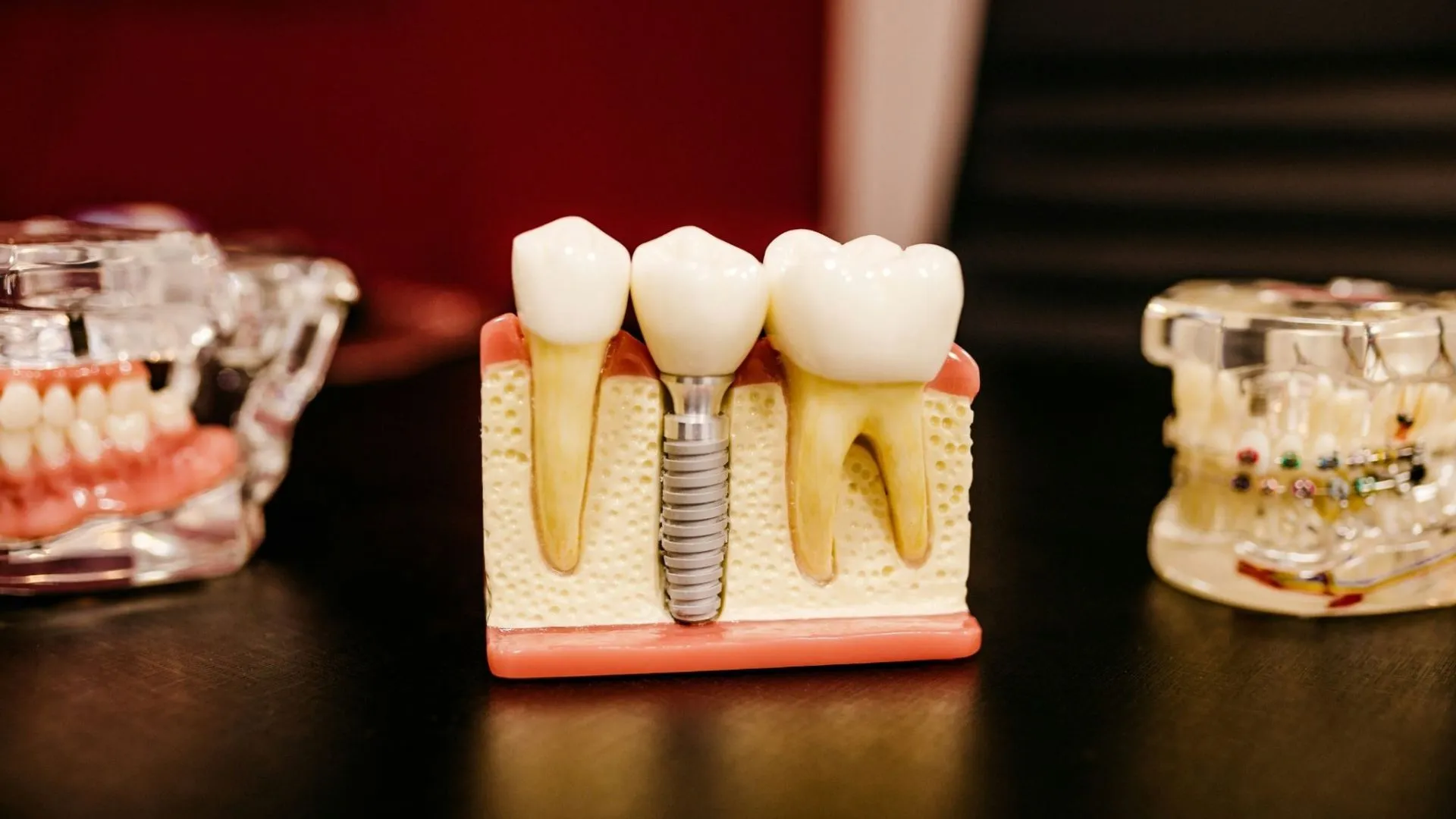
When is a dental implant needed? If you have jaw pain or a recent tooth loss, it is wise not to jump to the conclusion that you must have a tooth implant. This is because the procedure is similar to surgery, in which many aspects are considered. Learn about the symptoms that you should look for before getting dental implants, as discussed here.
Read Also: Dental Implant Healing Stages: What to Expect
7 Common Signs for You to Immediately Get Dental Implants
Are you still hesitant to get dental implants? Fairfax Corner actually mentions that the surgical procedure has a high success rate, around 98%. However, if you are still not sure and inclined to choose dentures instead, these symptoms below hopefully can change your mind to choose the long-term solution instead.
1. You Have Lost a Tooth or Several Teeth
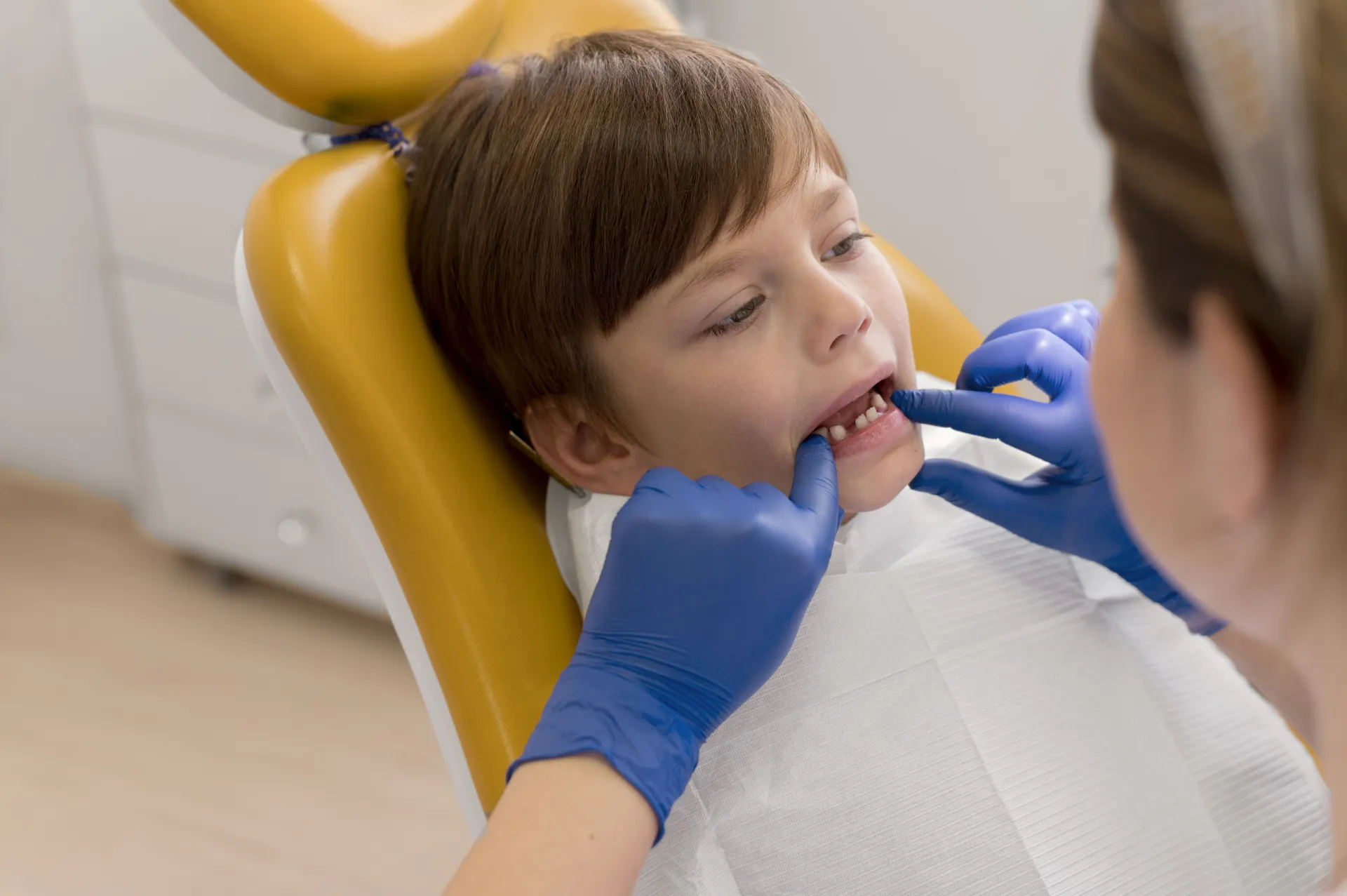
For children, losing teeth is not a big deal. Unfortunately, a tooth or teeth loss creates a hollow socket that can cause other teeth to shift and trigger misalignment of your teeth arrangement altogether. It would be uncomfortable and embarrassing to smile with crooked teeth, would it not?
In addition to that, the absence of the roots of your teeth can eventually lead to the deterioration of your jawbone. This happens because your teeth not only help you to chew but also to maintain jawbone health. If the bone is not being stimulated every so often, you might be struggling to deal with jaw pain in the future.
2. You Have Difficulty Chewing Food and Speaking
Is it not annoying when you cannot munch on your favorite chips or move your jaw freely while pronouncing words?
They can happen because of dental problems. When the problems start bringing you discomfort, you will not be able to eat your hardest food, such as steaks, nuts, and apples.
Well, it is possible to cut that food into small pieces or blend it into smoother textures, but is it not so uncomfortable? You will look like a sick person.
Furthermore, another worst case caused by jaw deterioration is the inability to speak properly, as it will hurt when you open it too wide. Imagine how suffering it is to not be able to express yourself or deliver messages to other people properly.
3. Your Tooth Has Become Infected
Most people answer the question, “When is a dental implant needed?” with when a possible infection occurs. The symptoms, like unbearable toothache, swollen gums, and fever, are severe enough that you might need to treat the infection first, with antibiotics and other necessary treatments.
Then, if the infected spot, socket, or tooth is beyond saving, the implant surgeries can be discussed further. If you overlook the infection, it might spread around and ruin your oral health. The worst scenario is that it spreads to other parts of your body because the nerves in your mouth are connected to them.
4. A Tooth is Too Damaged to Save
If only the crown is cracked or just a light break, perhaps some light dental treatments can be performed, like a tooth filling. However, if a tooth is severely damaged, a removal procedure must occur. Otherwise, you will experience a never-ending pain that might affect the nerves around the affected area.
So, you might need to undergo a tooth extraction and dental implant after consulting with your dentist when or if you are prepared for the procedure.
After getting your implant, you do not need to worry about its durability or weird appearance. Teeth implants are specifically designed to replace not only the function but also he look of real teeth.
5. You’re Tired of Dentures and Bridges
Say, do you prefer a short-term effect or a long-term one? Dentures and bridges are famously known as being cost-effective. These two are good options if you are on a tight budget, not to mention that they do not involve any surgical procedures. However, both of them need constant replacements.
Hence, every now and then, you must visit your dentist. On the other hand, dental implants are long-term and durable. After successfully implanting the replacement, you only need to maintain oral health as usual. Sounds convenient, doesn't it?
6. Your Jawbone is Starting to Shrink
Shrinking jawbone? Sounds wild, right? But it is true. The roots of your teeth always stimulate your jawbone to stay strong, like athletes constantly practice their muscles to perform better. With an empty socket, your jawbone loses the stimulation. Eventually, it starts to weaken.
The shrinking process always begins with the narrowing of the width and height, and afterward. Sooner or later, the bone becomes shorter. If this happens, dealing with the problem later will only require you to undergo more complex treatments and prepare a higher budget, too.
7. You Have Sunken-In Facial Appearance
If you have ever stood in front of the mirror and noticed that your cheeks look hollower, this might have to do with your tooth or teeth loss. The empty spaces in your gums have most likely wrinkled and naturally sunken your cheeks, as if you are already beyond 50 years old.
However, if you fill the empty sockets with tooth implants, the jawbone around that area will remain healthy because of the stimulation from the roots. Innova even testifies that there are many patients who notice their youthful appearance after getting dental implants.
Read Also: Bone Graft for Dental Implant: What It Is and Why Needed
What's The Next Step?
Yet, you are not alone! At BIA Dental Center, you can freely consult with our experts, who have more than 10 years of experience, to decide what is best for your oral health and for your budget!
You will be thoroughly cared for, including by drg. Andhika, to undergo the surgical procedure without any pain. Moreover, all the facilities you will need are available and high-tech in the center. So, you will be as comfortable and as convenient, like sitting on your couch whilst watching your favorite television shows.